Sound is sacrifice: for its tyros and maestros who dedicate time to its study, encountering deeper depths to plumb, soaring heights to surmount, or new vistas to traverse; for its singers who strive to vocalise its understandings; and for its performers who attempt to channel its energies—the soul is the price of admission. The reward, if there is one, is sublimity.
Sound is sacrament: for those desiring its possession; for its curators and their sermons; and for those listeners who deny themselves the speed of the stream and the algorithm in favour of the analogue and personal.
Sound—whether sacrifice or sacrament—is sanctuary; and both come out of and return to the same water.
These are some sonic side quests for the searching.
***
Devotion And The Black Divine by Anaiis
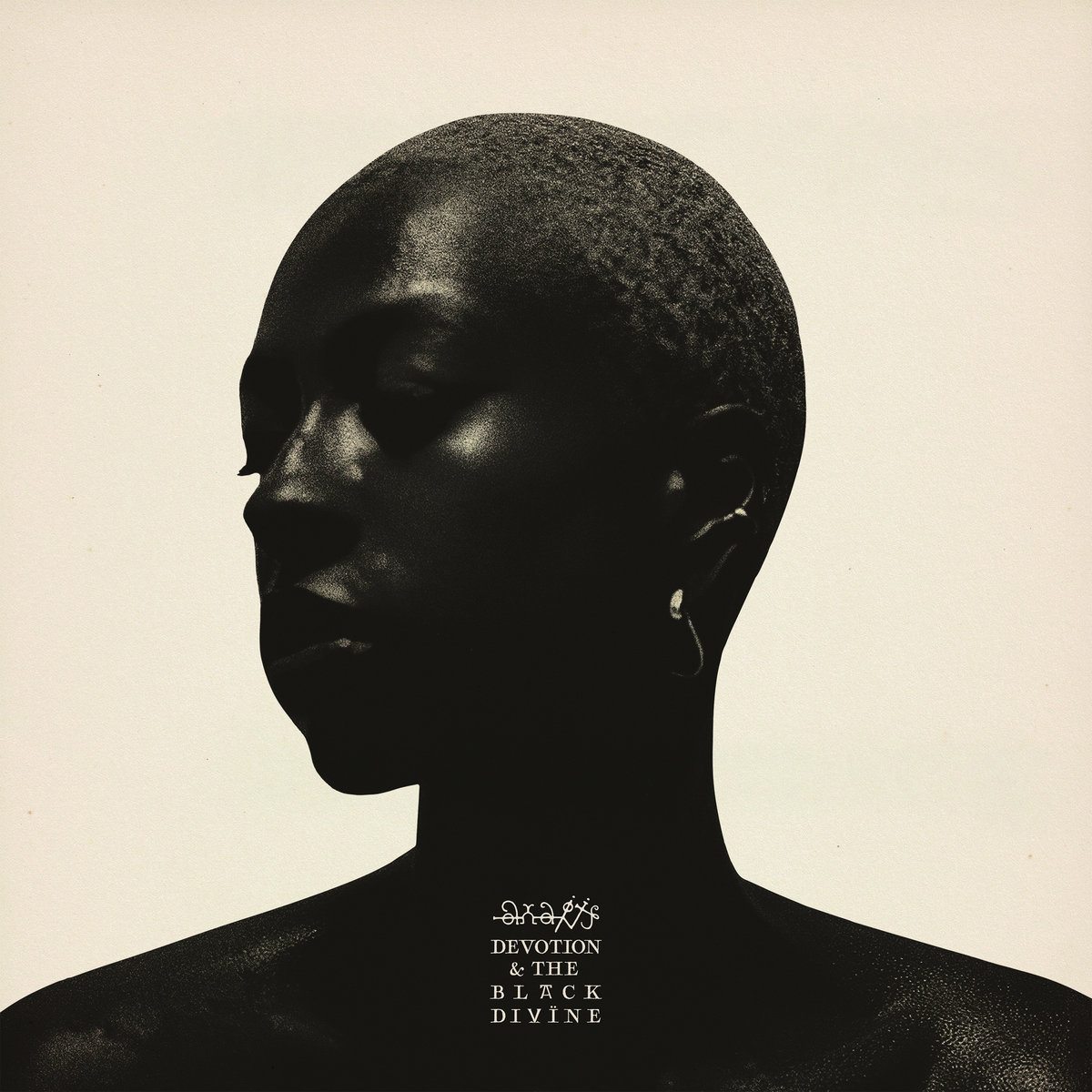
Year: 2025. Genre: R&B and soul. © Anaiis.
Devotion And The Black Divine is a pocket universe from the London-based French-Senegalese Anaiis with gravitational shifts between acknowledgements of fragility, declarations of strength, the personal exploration of the self, and the attainment of collective consciousness without any theme being presented as either weakness or elevation. Transfigurative beyond containment in one simplistic form, its wisdom is precious to hold and it is carefully shared through Anaiis’ dreamy vocals. Devotion And The Black Divine is a shea butter baby anthem capable of cleansing any listener of their spiritual ashiness.
Anaiis And Grupo Cosmo by Anaiis & Grupo Cosmo

Year: 2024. Genre: Samba-jazz and soul. © Anaiis & Grupo Cosmo.
This collaboration between Anaiis and the Brazil-based Grupo Cosmo is an aural indulgence adorned with lush and cinematic instrumentation and textured with floating vocals and lyrics that drift in and out of the compositions like half-remembered dreams. Anchored by “Toda Cor”, meaning “all colour”, the album is a full spectrum of sound, from its most orchestral imaginings to its most intimate expressions.
Sounds Of The Eclipse by Anton De Bruin
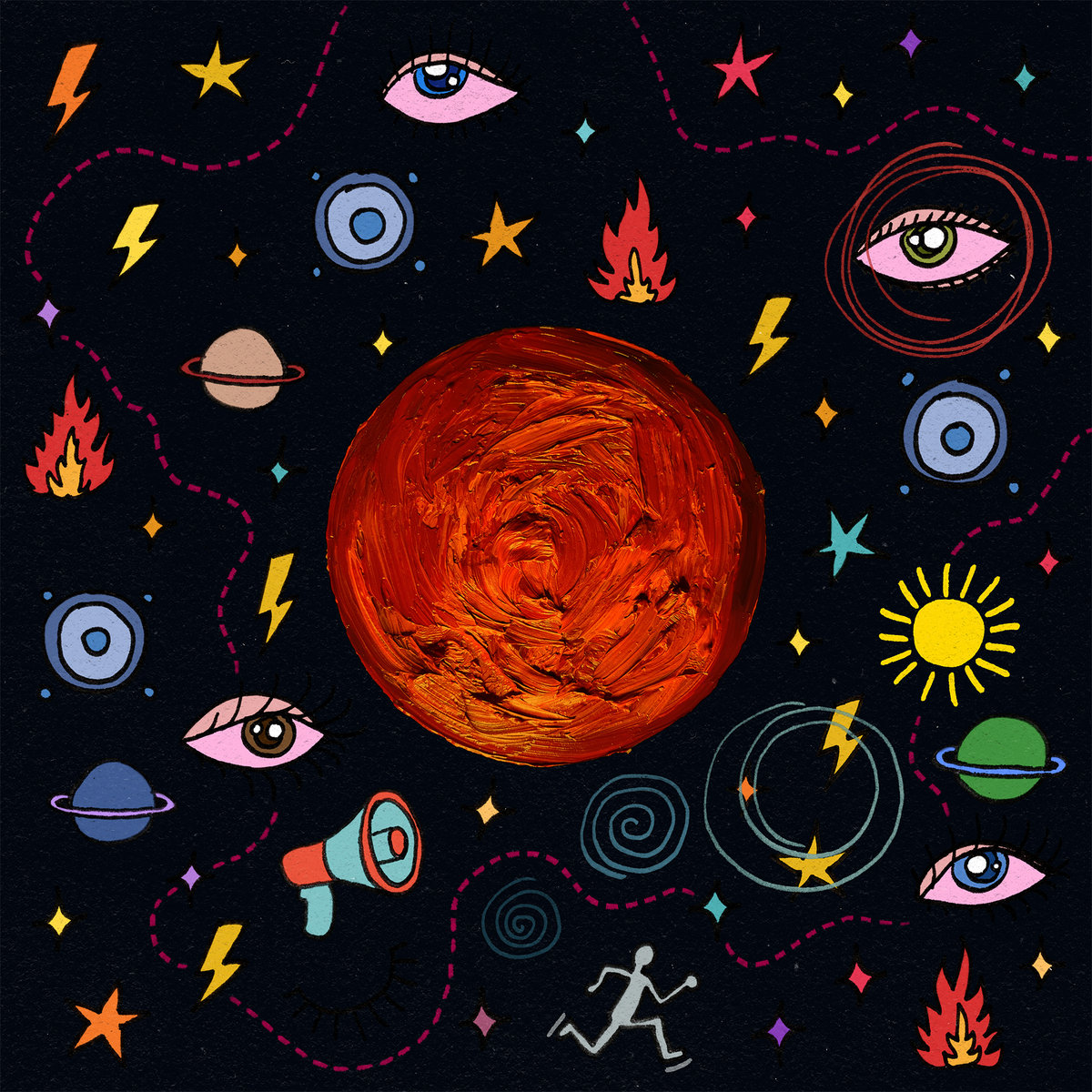
Year: 2025. Genre: afrobeat, dub, and jazz. © Anton De Bruin.
Sounds Of The Eclipse eclectically discards the primordial fear engendered by the solar phenomena; if the sun is to be consumed, then it shall be eaten at a feast filled with dancing.
Open This Wall by Berlioz
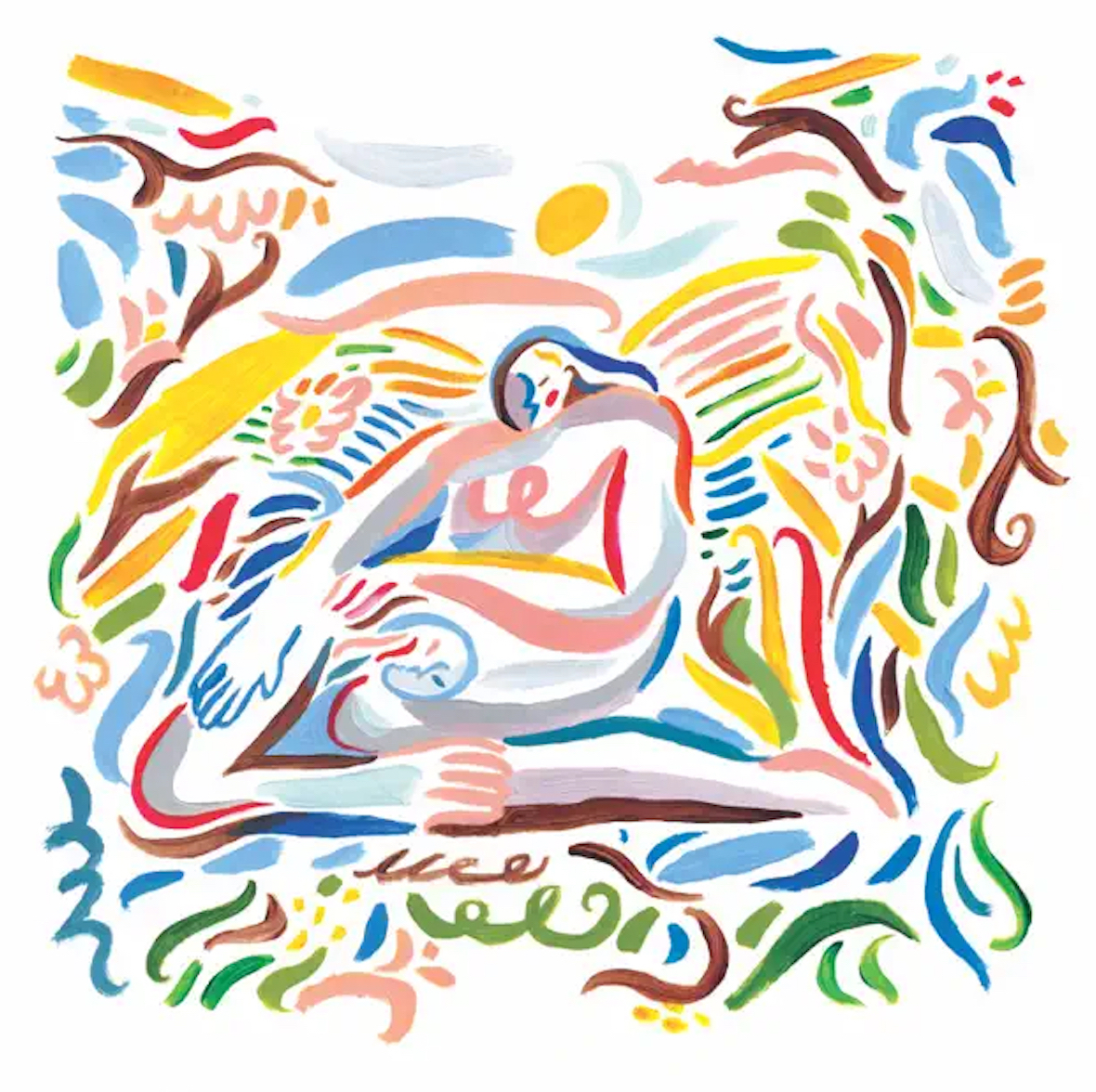
Year: 2024. Genre: house and jazz. © Berlioz.
Colour, form, sound, and the positive emotion of every affirmation card ever composed are acoustically distilled into Berlioz’s debut album, an offering that can only be described as having “vibes.” It is saccharine and innocent—Saturday dinner party music with no skips. And when the hosting social battery has been exhausted, Open This Wall doubles up as a perfect soundtrack for a self-care Sunday spent setting up multiple camera angles for a “reset session” with a much-coveted Dyson vacuum cleaner.
Cicero Nights by Blue Earth Sound
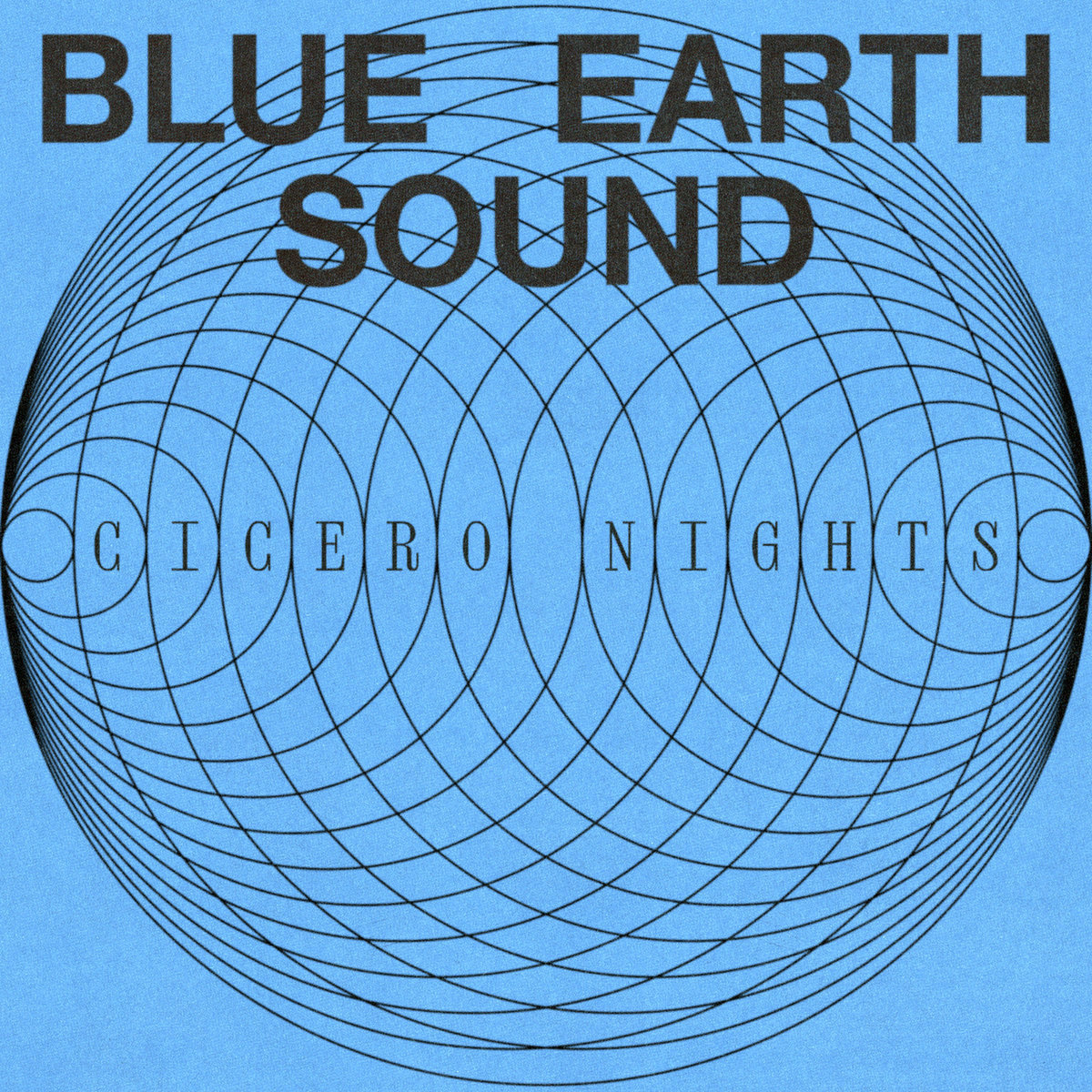
Year: 2025. Genre: jazz. © Blue Earth Sound.
Over the span of eight warm tracks, Cicero Nights draws on jazz-informed arrangements to curate golden-hour songs for the day’s end. Montages of commuters boarding buses and trains after work; strolling through the city or walking in the park; restaurants and bars slowly filling up; and that magic space between sunset and dusk when longing will either crystallise into nostalgia or melt away as the evening becomes alive with quiet possibility—all of it is contained in this album that is worthy of repeat listens.
No Be Today by Bosq & Kaleta
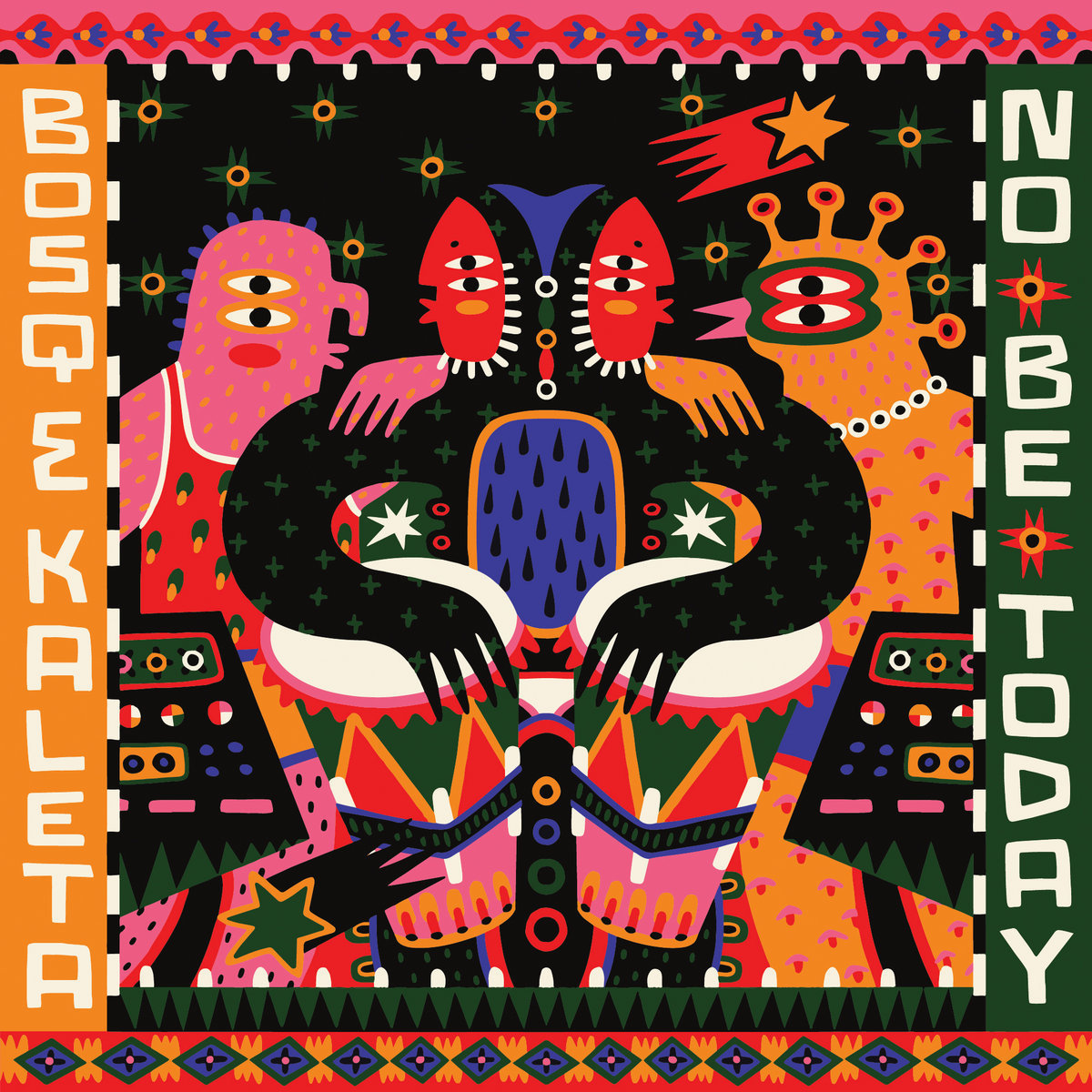
Year: 2024. Genre: afrobeat, disco, funk, and jazz. © Bosq & Kaleta.
No Be Today, with its layered sounds and histories and expressive cover, is a double helping of West African, Caribbean, and Latin music and dance traditions sung in Yoruba, French, Goun, Fon, and English capable of bewitching an aptly-tuned waistline. Bosq, the Medellín-based producer, and Kaleta, the legendary Nigerian guitarist who used to play with Fela Kuti, serve up aural jollof rice with fried plantain—anyone who does not ask for a third helping is an agent of chaos. “No be today”, a Nigerian saying that can mean “this did not just start”, “this did not happen by chance”, or “this took some time to make” is proudly analogue with each instrument holding a distinct place in each song, with the flaws of human creation enhancing the flows and flavours. This is music that was made from the dance floor, not the data centre.
Agôra by Caixa Cubo
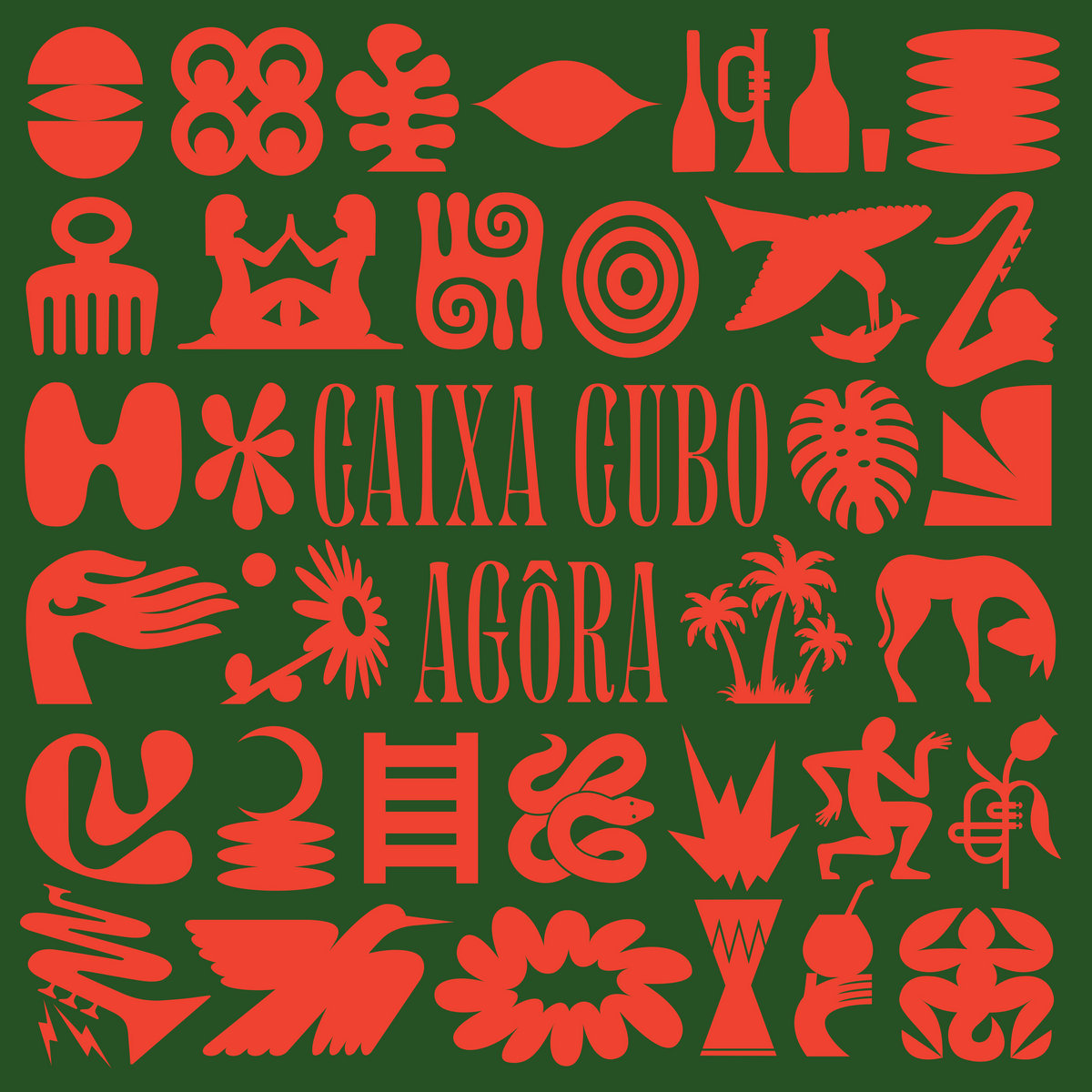
Year: 2023. Genre: Samba. © Caixa Cubo.
Much like No Be Today, the Caixa Cubo’s Agorâ is human-made. It hums with earthy energy from all of the geographies represented in its collaborations: Brazil, Ghana, and South Africa. This is not background music, this is front and centre sound, that turns any space into a dance floor.
Cloud 10 and The Eternal Now by Chip Wickham
Year: 2022. Genre: jazz. © Chip Wickham.
When—despite all of your personal misgivings—you finally do go on that date to that expensive restaurant only to get stood up, you should probably go back home and listen to Chip Wickham’s Cloud 10 on your Bang and Olufsen speakers like the group chat told you to. It is mellow without being cheesy and spiritual without being preachy.
Year: 2025. Genre: jazz. © Chip Wickham.
But, hypothetically speaking, if you do make it to a second date, make sure you are playing with home-field advantage; if they do not like The Eternal Now then they are not the one. But at least you will always have your B&Os and, oftentimes, that is all you can hope for.
Rose In Concrete by Cleo Sol

Year: 2020. Genre: R&B and soul. © Cleo Sol.
The day you learn the exact nutritional requirements for growing copper monsteras with verdant green leaves, this is the album you will be listening to because plant parenting is not something one can successfully execute with one foot in the streets. Alas, no. To have healthy plants one needs to be at home enjoying the money they are spending on rent or a mortgage. And once you start doing that, you start acquiring nice things. Like a comfortable couch. And stylish lighting. And then it is a short hop and a skip to a premium turntable. Any Sade album will be a worthy first purchase, but Rose In Concrete will be a smart second. You already have the B&Os anyway, so you are on your way.
All My Relations, Vol, 2: Baca Sewa, and Vol, 3: Ancestros Futuros by Cochemea
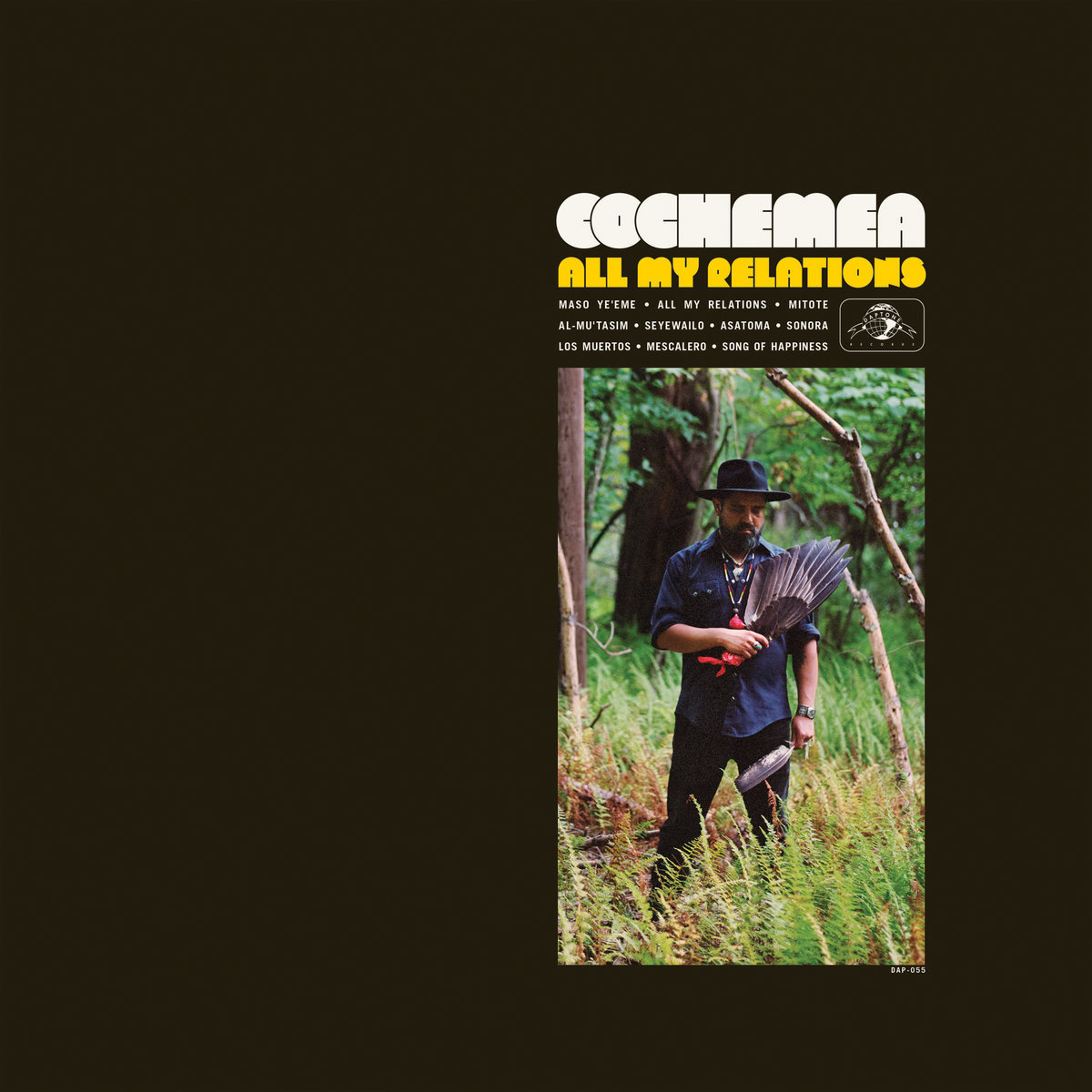
Year: 2019. Genre: indigenous instrumentals and jazz. © Cochemea.
Steeped with indigenous Native American mythology and cultural imagery, Cochemea uses his family roots to find hidden grooves and pay tribute to bygone cultures while honouring and preserving their remnant traces. All My Relations is a complex alchemical blend of etherealism and contemporariness that is all rhythm.
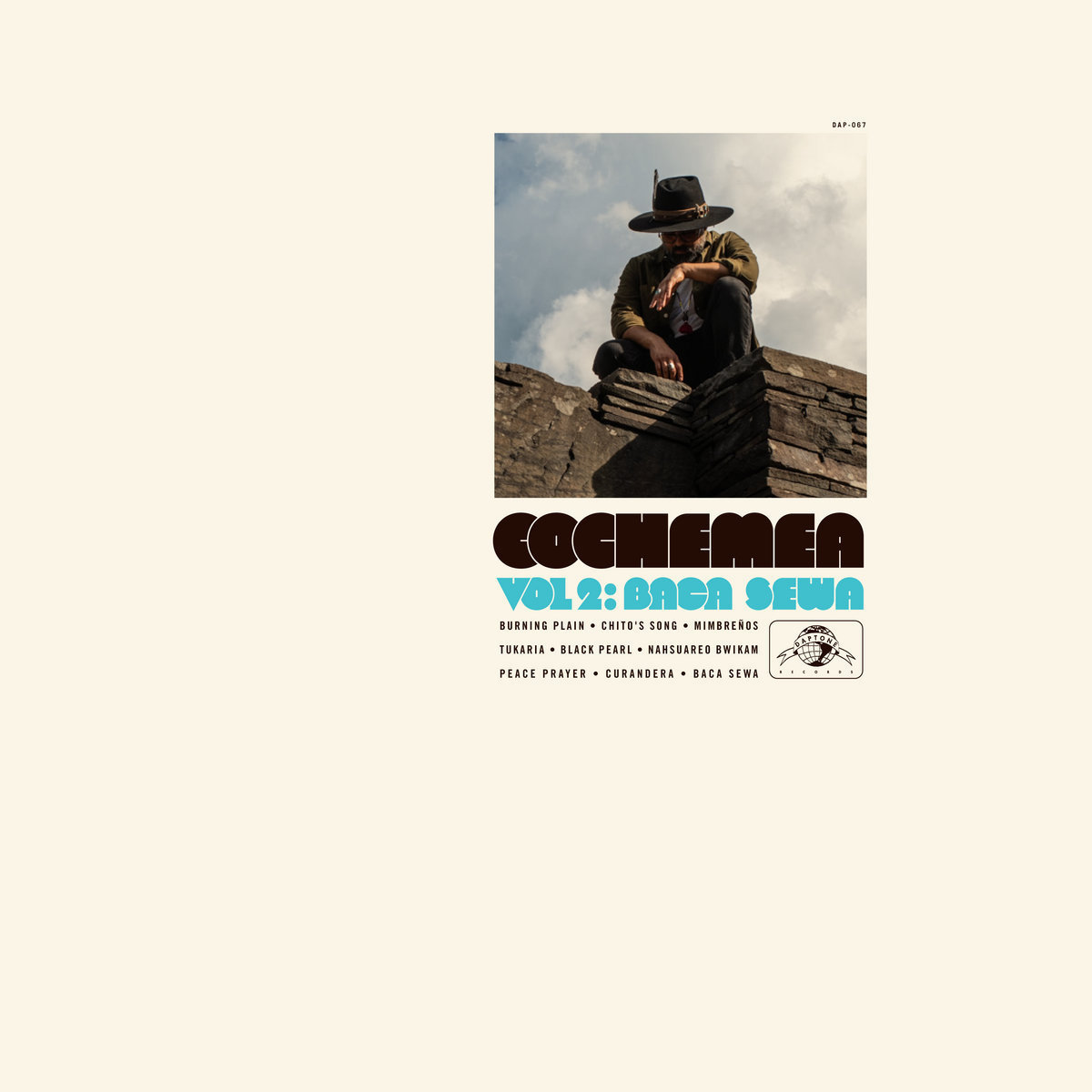
Year: 2021. Genre: indigenous instrumentals and jazz. © Cochemea.
If there is to be a Black Panther-esque take on Native American history (without terrible accents and that embarrassing war rhinoceros—I still cannot forgive the fact that the most technologically advanced civilisation on Earth had invisible space Bugattis and a war rhinoceros), Cochemea should compose its score. Vol 2: Baca Sewa corrals fireside dances, tribal marshalings, and conversations with the ancestors in an album that is half ritual dedication and half juke joint throwdown.

Year: 2025. Genre: indigenous instrumentals and jazz. © Cochemea.
While Baca Sewa is the apotheosis of Cochemea’s trabadourial traversions through autochthonous sound, Ancestros Futuros is a melodic homecoming imbued with aural acuity and percussionary percipience that completes the journey that commenced with All My Relations. This is a musical production that is grand in scope and personal in execution.
Paper Can’t Wrap Fire by Don Glori

Year: 2025. Genre: funk and soul. © Don Glori.
Everyone knows the rules: rock beats scissors, scissors beat paper, and paper beats rock. And every day one has to palm-fist (“Ey, yo, pause!”) a combination and hope they beat life in a best-out-of-three. But “paper can’t wrap fire”—a Chinese proverb that can be roughly translated as “you cannot deny the truth”—is another rule that lies at the foundation of Don Glori’s third album which deals with the masks (that album cover!) and camouflages (the layering of the songs!) needed to confront and adapt to modern life.
Durand Jones And The Indications, American Love Call, Private Room, and Flowers by Durand Jones & The Indications
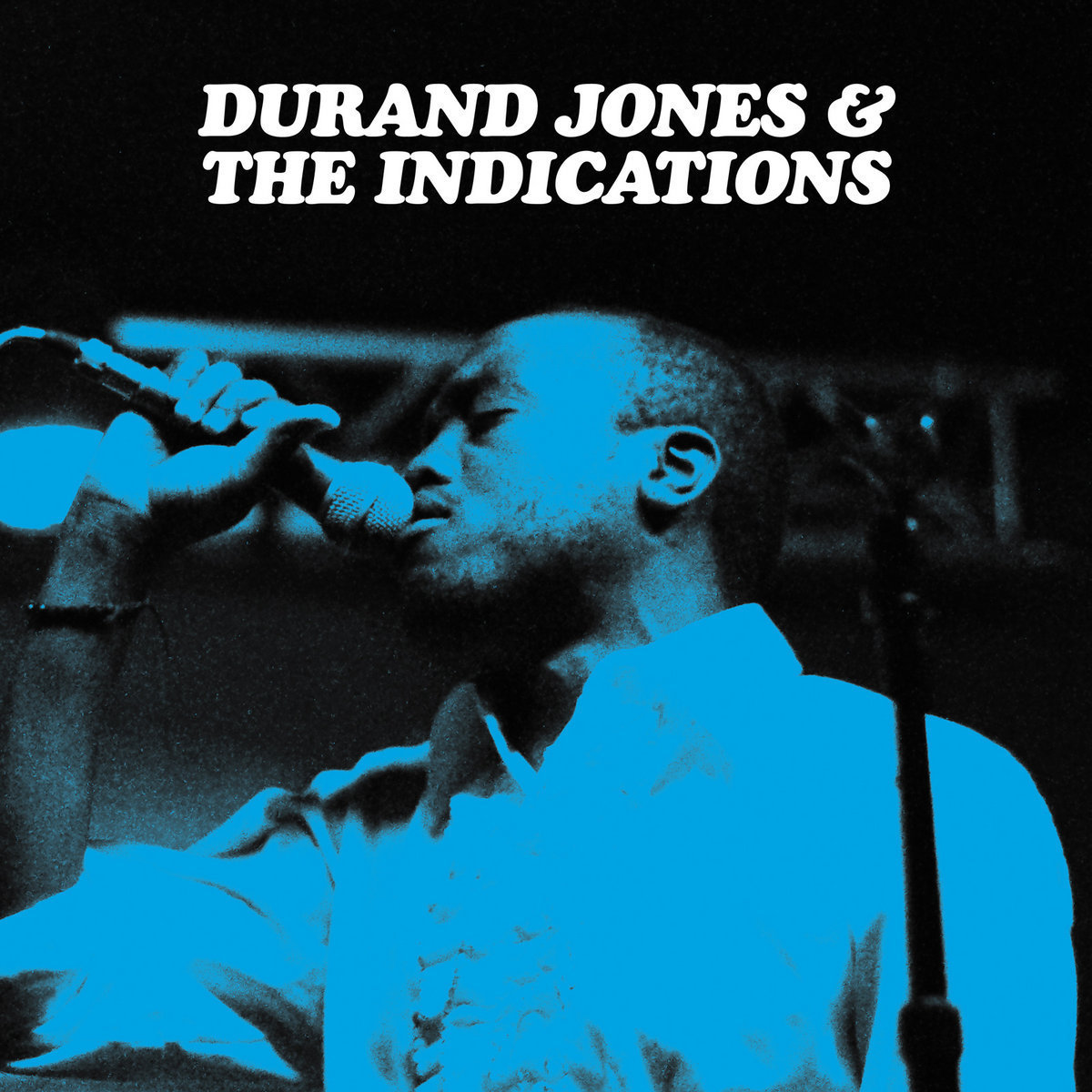
Year: 2016. Genre: soul. © Durand Jones & The Indications.
There is a sound that feels like arriving home after distributing flyers for the civil rights movement, dodging racist patrolmen in the city, pulling off one’s suspenders, and dancing on the linoleum kitchen floor and it is Durand Jones and The Indications’ debut album.
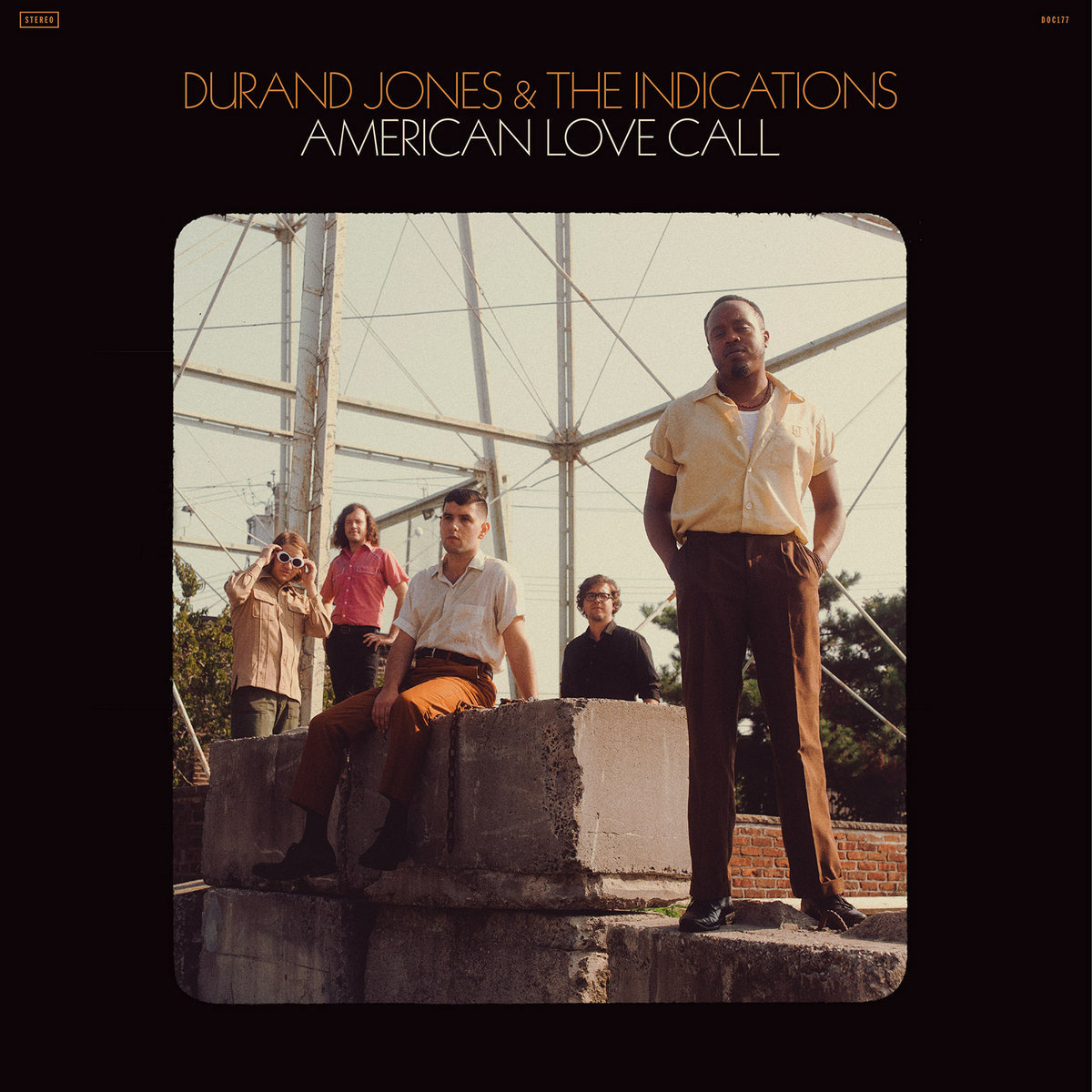
Year: 2019. Genre: soul. © Durand Jones & The Indications.
There is a sound that feels like growing an Afro, reading some radical black literature, distributing meals with the Black Panthers, and still having time to cut a rug at the downtown club and it is Durand Jones and The Indications’ second album.
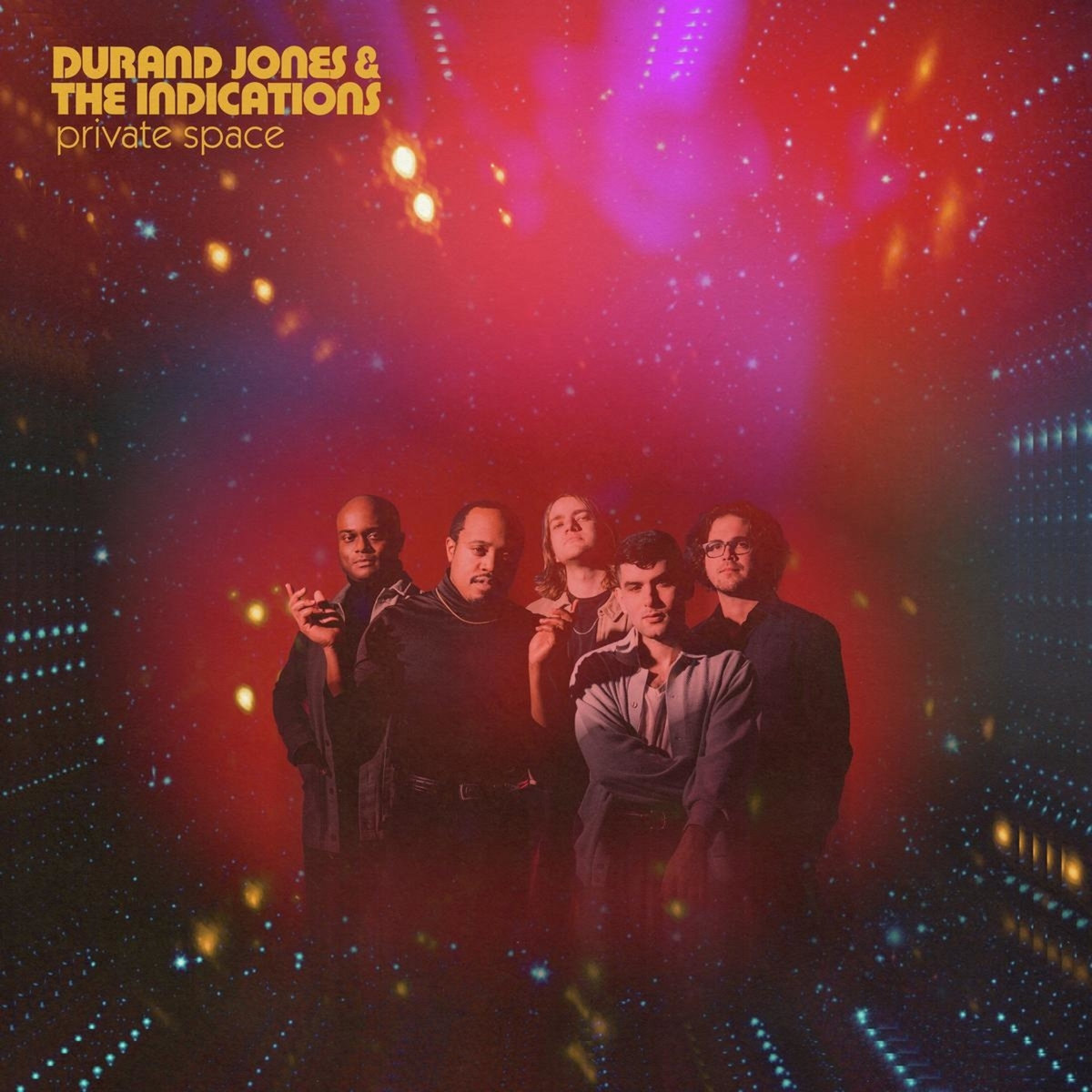
Year: 2021. Genre: disco and soul. © Durand Jones & The Indications.
There is a sound that feels like getting your skates and going to the roller-disco and showing off all of your best moves to your crush without falling flat on your face or ass and it is Durand Jones and The Indications’ third album.

Year: 2025. Genre: funk and soul. © Durand Jones & The Indications.
There is a sound that feels like preceding bodies of work have been leading to this refined sound that is fit for “cruising or kissing” that not only revives but also reinvigorates soul music in a modern and refreshing way and it is Durand Jones and The Indications’ fourth album.
You Can’t Steal My Joy, Where I’m Meant To Be, and Dance, No One’s Watching by Ezra Collective
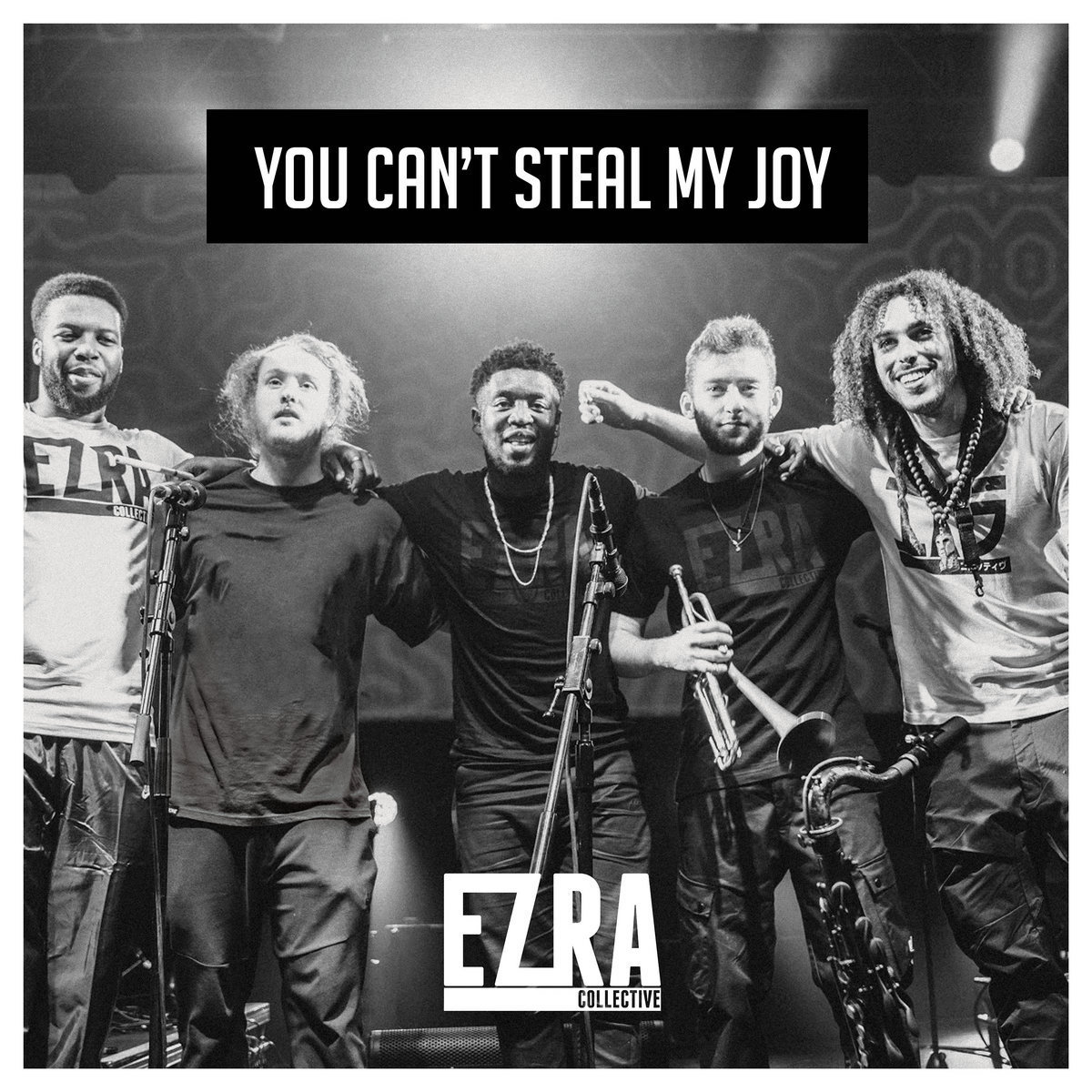
Year: 2019. Genre: afrobeat and jazz. © Ezra Collective.
The first of anything is prototypical. It is the artist in their audience-free state when there are no rules and few expectations beyond trying. The Ezra Collective’s You Can’t Steal My Joy is a debut that acknowledges that every journey must commence somewhere, preferably at the beginning, and in a state of trying without knowing the success of the outcome. The exuberance of this album is confirmation of the trial-and-error nature of any artistic practice, and it is the gateway for the Ezra Collective’s ensuing body of work.
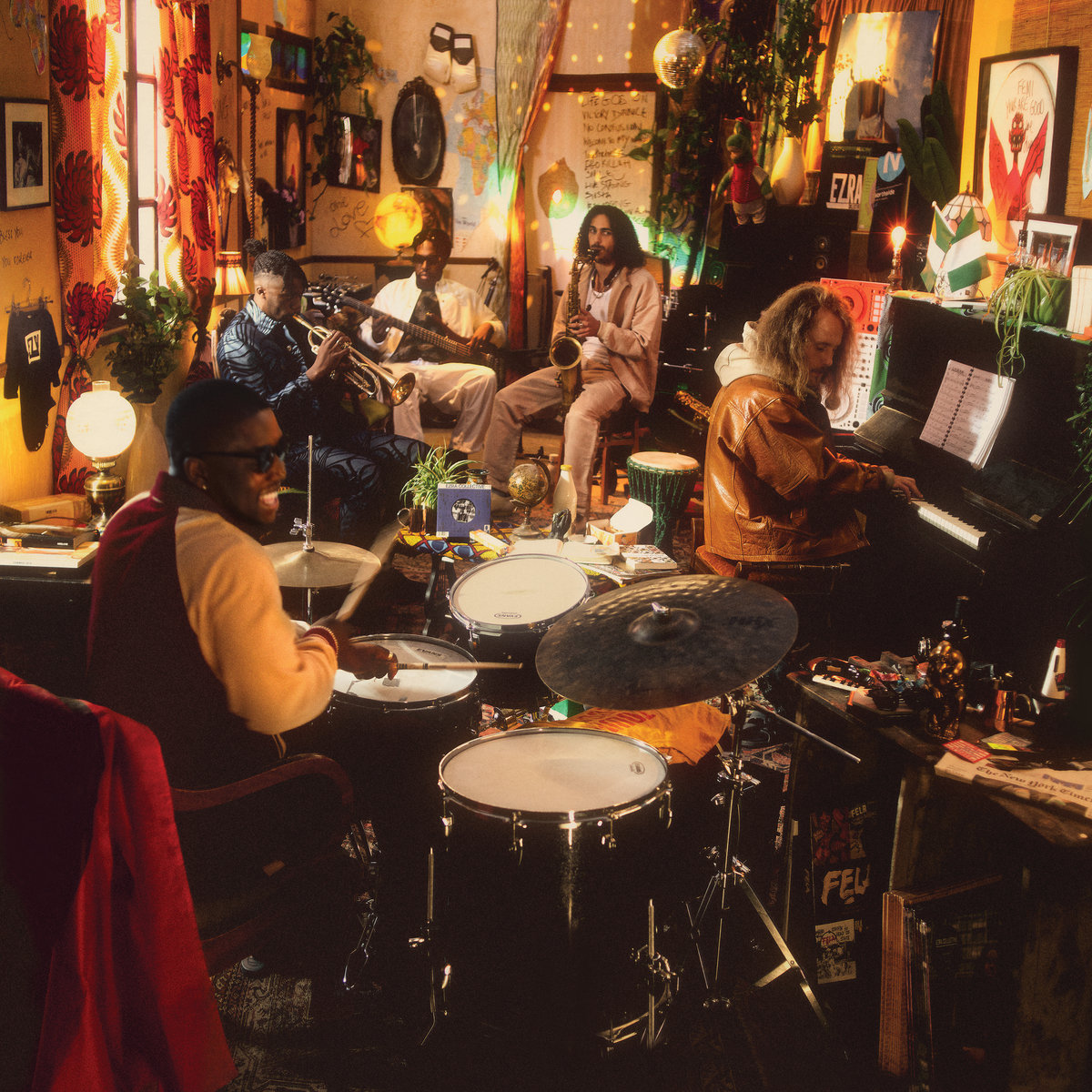
Year: 2024. Genre: afrobeat and jazz. © Ezra Collective.
The second of anything can be one of two things: a tired imitation of the first or an ill-fated attempt at (still out-of-reach) virtuosity. Where I’m Meant To Be hits that sweet spot between talent and mastery: skill earned through refinement—with elevated arrangements and wonderful hybridities between its informative afrobeat and jazz elements, it is an album that draws on rich musical traditions to create something that is confidently contemporary.

Year: 2024. Genre: afrobeat and jazz. © Ezra Collective.
The third of anything is either a too-late flop or the masterful fuck-you that announces to the academy (every industry has one) that rules—in their litanies and canons—will be bent or broken at will and with incomparable finesse. This spirited and celebratory album is rife with riffs and juiced on jazzy joints that drip with swagger. Dance, No One’s Watching is the Ezra Collective in their groove but not their comfort zone.
Hagaki by FloFilz

Year: 2025. Genre: instrumental hip hop and jazz. © FloFilz.
FloFilz provides street-level sonic silhouettes of Japan with Hagaki, an instrumental album that harkens back to the early encounters of—and crossings between—hip hop and anime. This is flow state music that feels like walking through Samurai Champloo’s Edo-era Japan with a katana ready to commit single-stroke slashes and seppuku.
Hijos Del Sol, El Malo Y El Bueno, and Sonido Cósmico by Hermos Gutiérrez
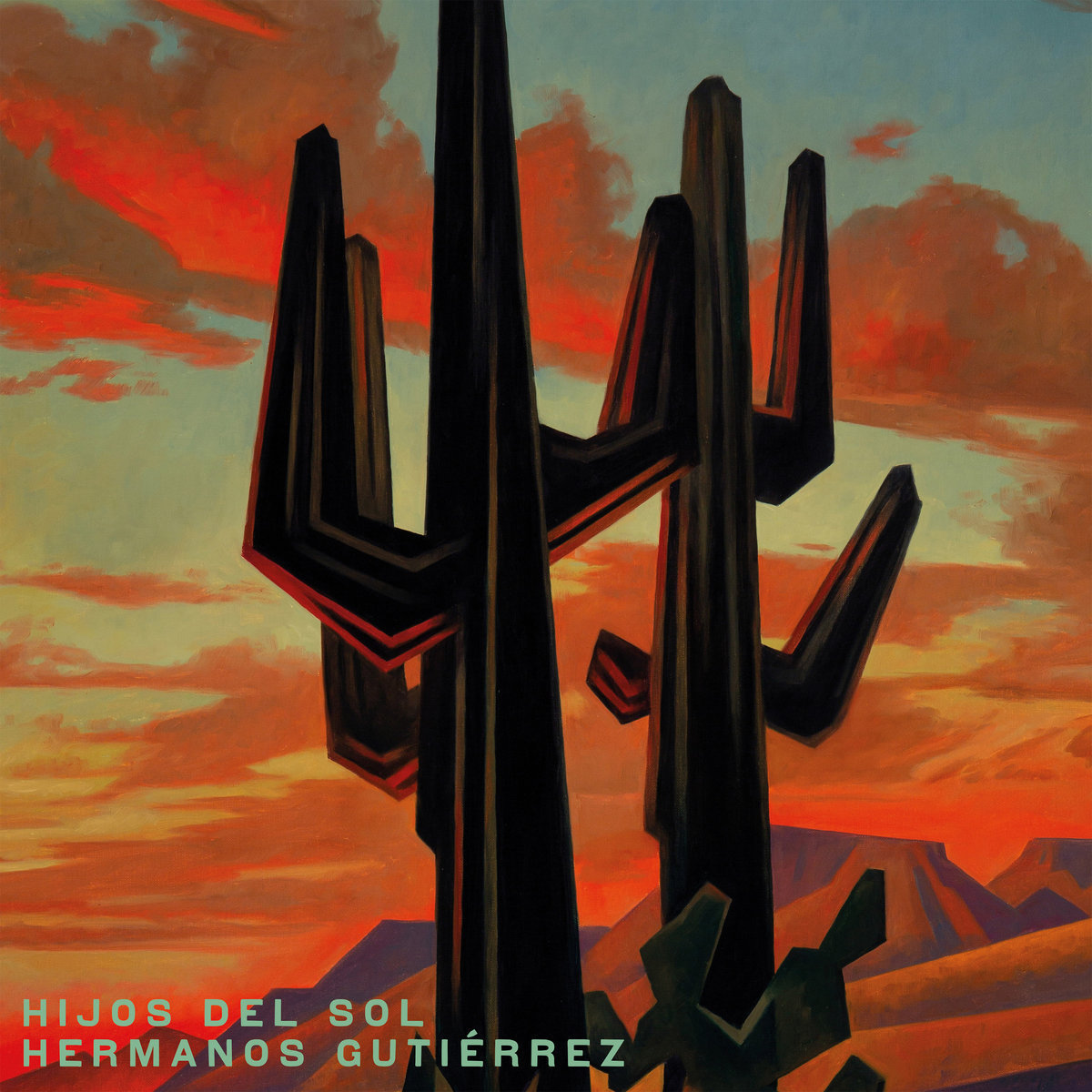
Year: 2020. Genre: Latin instrumental. © Hermanos Gutierrez.
Despite being the fourth album from Hermanos Gutiérrez duo, Hijos Del Sol is the most opportune entry point for the Ecuadorian-Swiss brothers’ sound: a coalescence of electric guitar, lap steel, and percussion that thrusts the listener into long solitary sojourns of the soul in the desert. While 8 Años (minimal), El Camino De Mi Alma (spooky), Hoy Como Ayer (brooding) hinted at the deep mysticism at play in their music, it is Hijos Del Sol, with its atmospheric arrangements and wide aural vistas, that properly encapsulates the essence of seeking with the chance of finding and traveling with the promise of arriving.

Year: 2022. Genre: Latin instrumental. © Hermanos Gutierrez.
Hermanos Gutiérrez continue their musical journey across the mystic wilds encountering, as one is wont to do with soul-searching, El Bueno Y El Malo—“the good and the bad.” These are moody Smith and Wesson, tense High Noon stand-off, ride-off-into-the-sunset like Shane songs that further embellish Hermanos Gutiérrez as desertic instrumental cowboys.
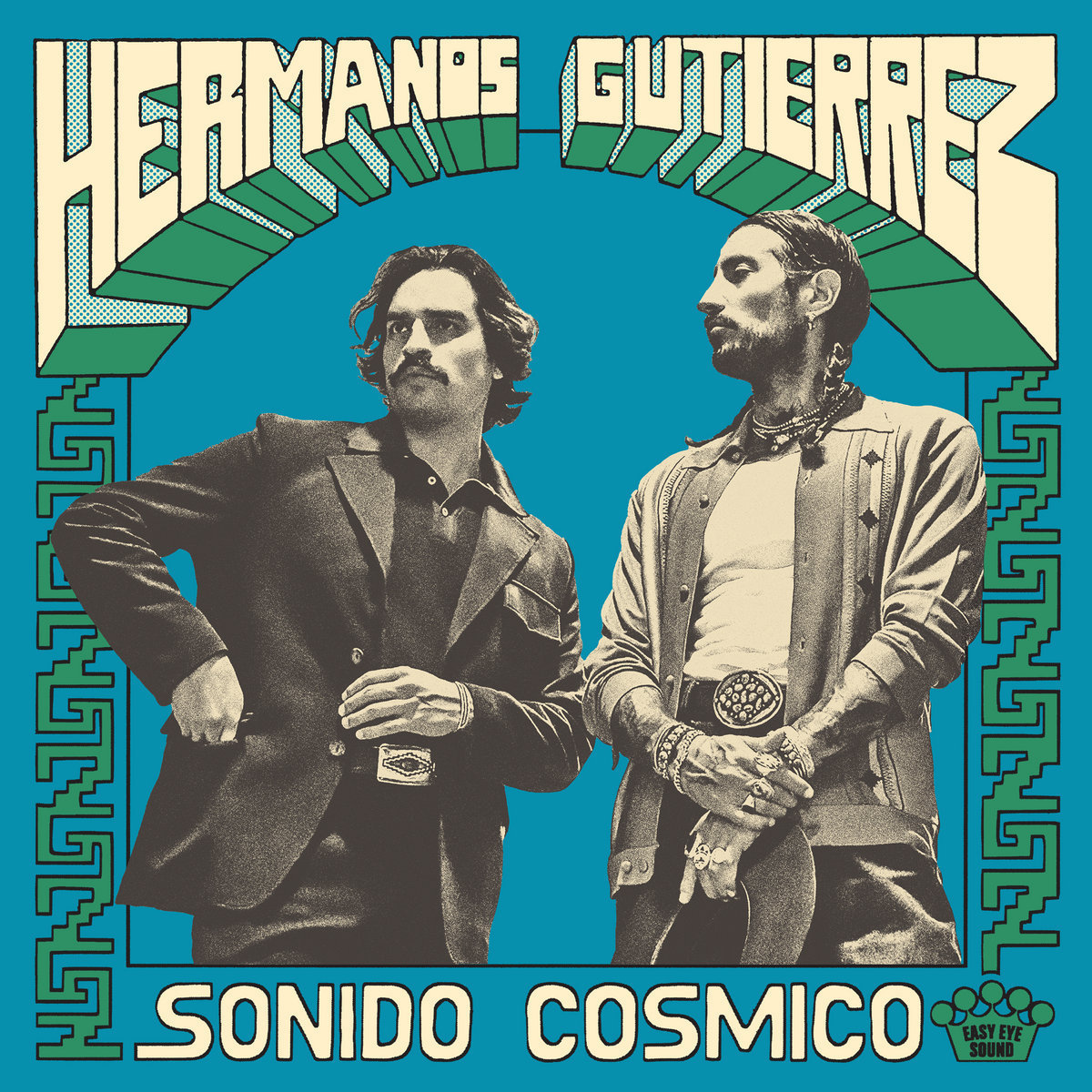
Year: 2024. Genre: Latin instrumental. © Hermanos Gutierrez.
Having searched through and survived all of the low places on Earth, Sonido Cósmico turns to space with its stars and the distance between them, a desert of shifting and hazy physics. Still containing the deeply mystic influences found in Hermanos Gutierréz’s oeuvre, Sonido Cósmico is coloured with sumptuous shades and hues only space can conjure and anchored by the gravity of longing and belonging.
Horizons and Rising by Jasmine Myra

Year: 2022. Genre: jazz. © Jasmine Myra.
Jasmine Myra’s Horizons is an emotional and uplifting debut whose themes find their source in the claustrophobia and isolation of the pandemic lockdowns and provide expansion and freedom through roomy and dazzling arrangements filled with optimism.
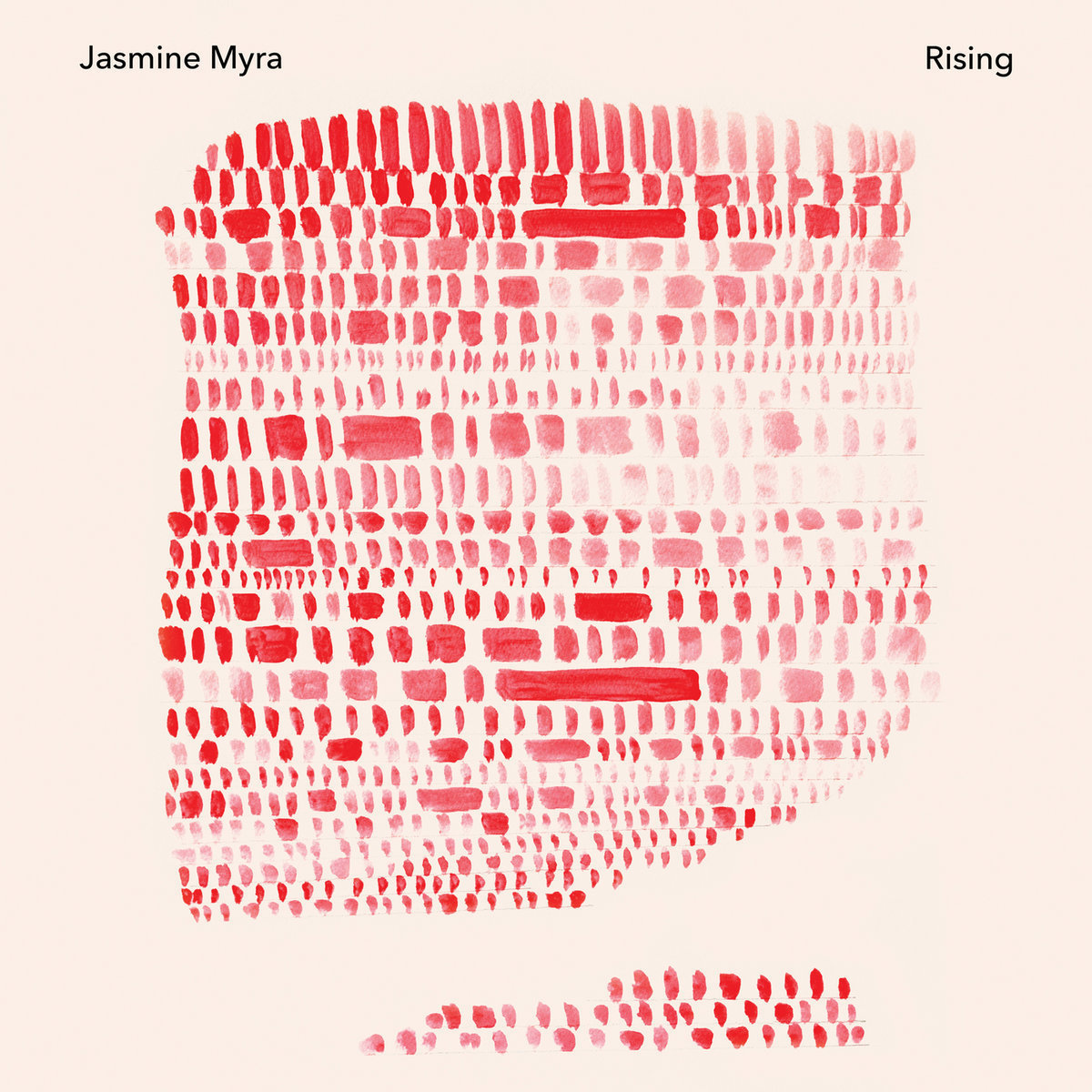
Year: 2024. Genre: jazz. © Jasmine Myra.
Rising is a self-assured follow-up work filled with substantial musical growth in composition. Even if the themes from Horizons snake their tendrils into this sophomore effort, there is substantial differentiation in sound and structure that renders it a special listening experience.
Susuma and Ye Ankasa | We Ourselves by Jembaa Groove
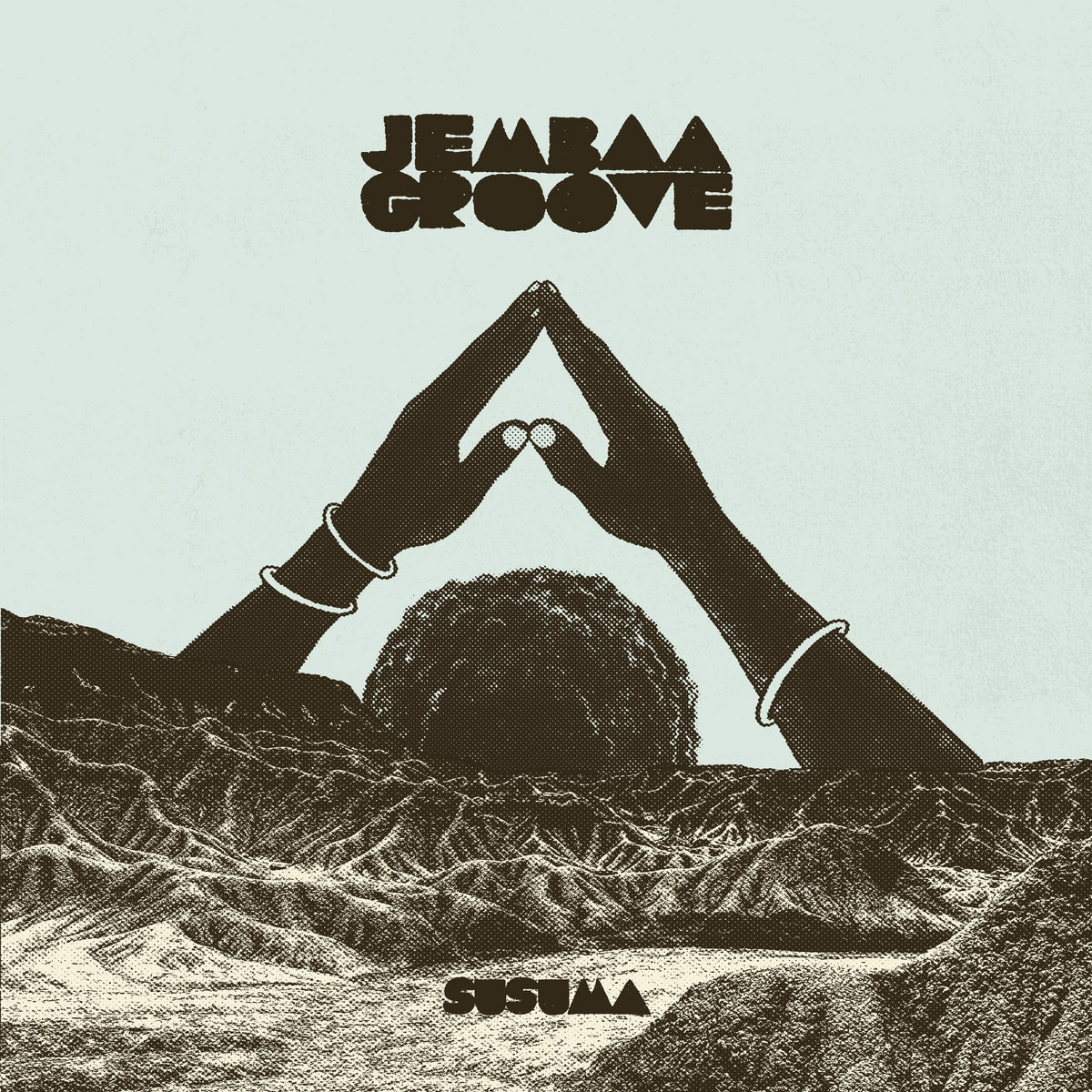
Year: 2022. Genre: afrobeat, highlife, jazz, soul, and wassalou. © Jembaa Groove.
This musical melding of Ghanaian highlife and Adowo, Malian Wassoulou, and jazz-spiced soul from the American seventies is the album that has launched a thousand side quests for its possession on vinyl and fuelled the fires of the corresponding spectacular, scorched-earth crash-outs (a story for another time). Brewed in Berlin, but laced with rhythms from around the world, Jembaa Groove’s Susuma could be placed in that troublesome “world” music category, a callous nomenclature used to group any non-Western music. But there is something such as world music—notes, strains, tones, chords, and melodies that are played on the string theories of the universe; they exert a gravitational pull on the soul through all places and times. Susuma is such an album, a collection of songs that simultaneously exist in the past, present, and future.
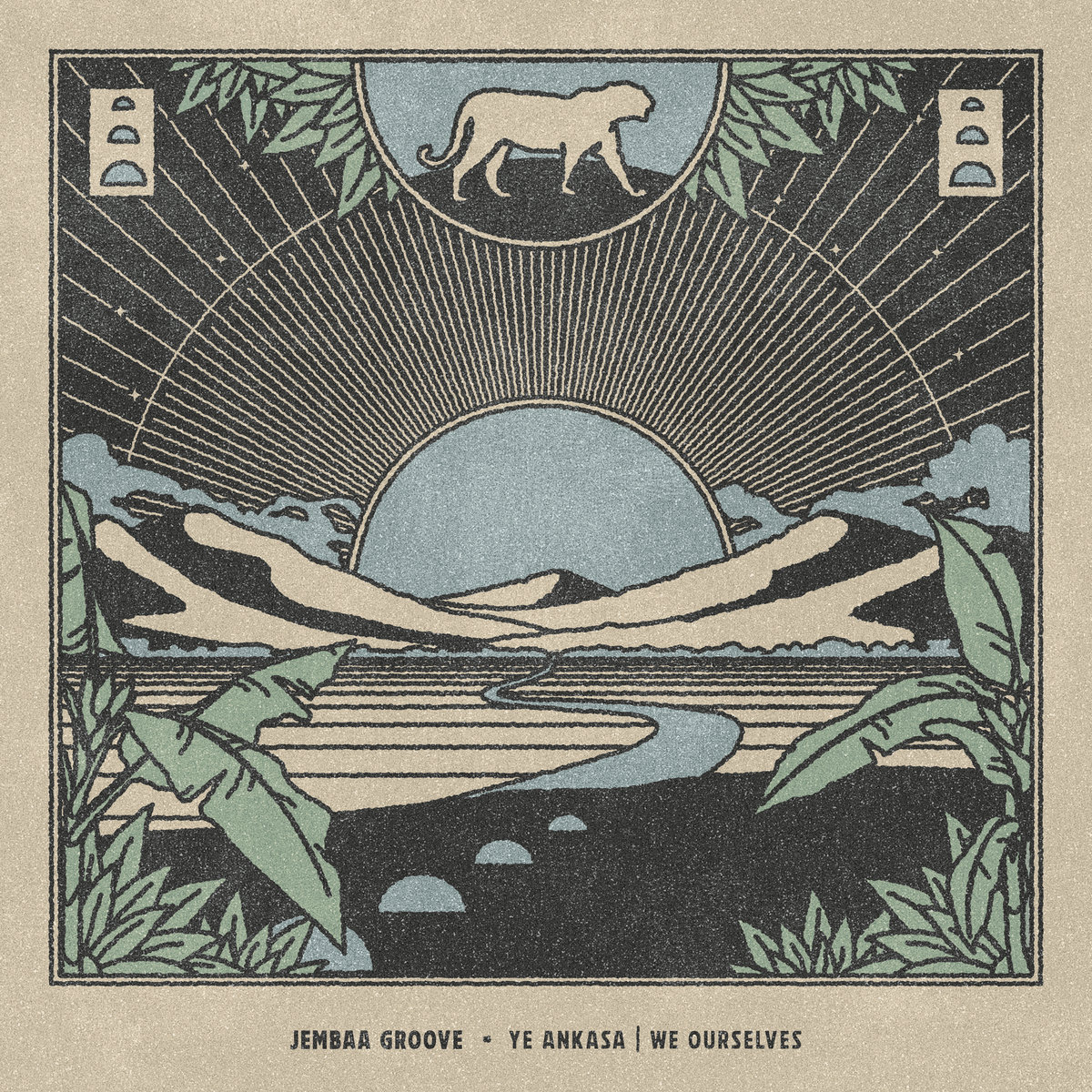
Year: 2024. Genre: afrobeat, highlife, jazz, soul, and wassalou. © Jembaa Groove.
Ye Ankasa | We Ourselves is a unifying statement: it neither challenges the authenticity of continental African rhythms nor the reasonable and to-be-expected changes the diaspora effects on sounds once they migrate from their home countries. Rather, the two act on each other in the same way that the Sun acts on the Earth and is, in turn, acted upon too. However, what is true is that nothing remains still; there is constant movement and change. The result of this thesis is an album that is in tune with its ancestral Ghanaian highlife roots and on time with the modern dance floor.
Wahala Wahala by K.O.G & The Zongo Brigade

Year: 2019. Genre: afrobeat and highlife. © K.O.G & The Zongo Brigade.
There is a wariness that must be maintained when listening to any album purporting to represent Africa and its diaspora. Too variegated the continent is, and too multitudinous is its diaspora—its people, cultures, histories, present circumstances and anxieties, and dreams or hopes for the future. Thankfully, then, Wahala Wahala is neither envoy nor spokesperson; it is Ghanaian waakye with an international passport. It tastes like home, but slaps like foreign.
Could We Be More and Tuff Times Never Last by Kokoroko

Year: 2022. Genre: afrobeat, funk, highlife, and jazz. © Kokoroko.
Kokoroko have their roots in West Africa and the Caribbean. Yet, it is in London, so far from home—and without entertaining the sense of loss and disconnection that comes with uprootedness and attempts at assimilation—that they fuse all of their cultural influences to create a space for community in their prismatic and spectacular debut album, Could We Be More, a vibrant album that sounds like homecoming.

Year: 2025. Genre: afrobeat, funk, highlife, and jazz. © Kokoroko.
Only the most accomplished artist can present their art as a manifesto. With their second album, Kokoroko boldly proclaims that Tuff Times Never Last. The global tilt towards the right, the rising costs of living, the censorship of the truth, and the ongoing ecological destruction—there is no shortage of real-world examples that hint at the worsening of personal and societal conditions. And yet Kokoroko asserts that tough times never last over the course of eleven tracks that persevere in the placement of love—both the intimate and sensual and general and communal—as the pivotal point of the great turnaround. Drawing on their established afrobeat, funk, highlife, and jazz foundations, Kokoroko incorporate bossa nova, lovers rock, and funk into an infectious and borderless sound that just might be true in its assertion that good times are never far—and that they start with you and us.
Future Pasts by Konkolo Orchestra
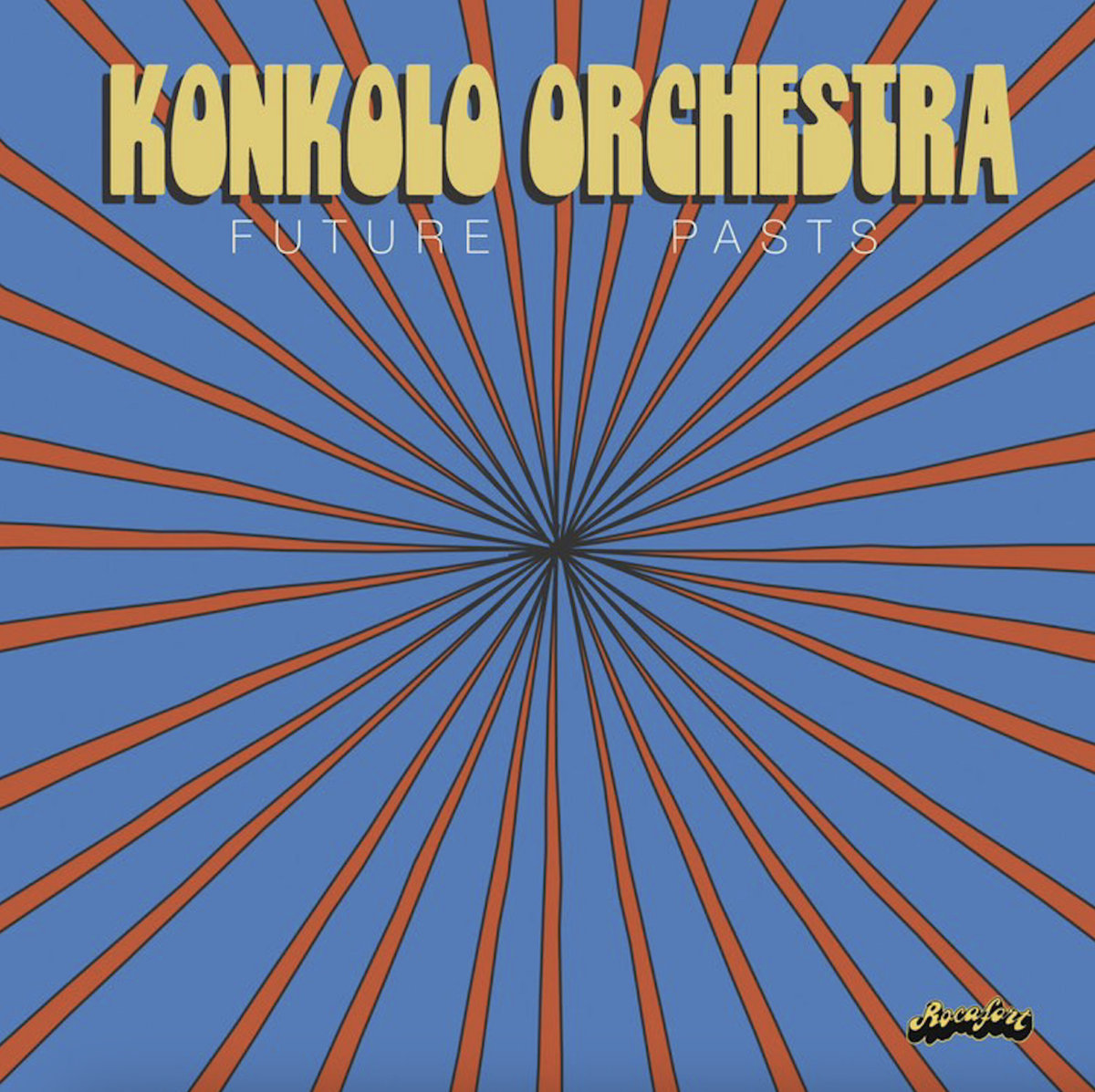
Year: 2024. Genre: afrobeat and funk. © Konkolo Orchestra.
There are parties so good that everyone—even the gatecrashers—are welcomed. The food and drink is plentiful and the vibes are high. This is the kind of party where, when it is talked about in the ensuing weeks and months, different versions of the same event are told and the fun lies in piecing the recollection jigsaw together. The only point of accordance is that the music that was playing at the party—the fire tunes that even had the wizened grandparents forgetting their bad knees and casting their walking sticks aside—was definitely Future Pasts by Konkolo Orchestra.
When The World Was One by Matthew Halsall & The Gondwana Orchestra
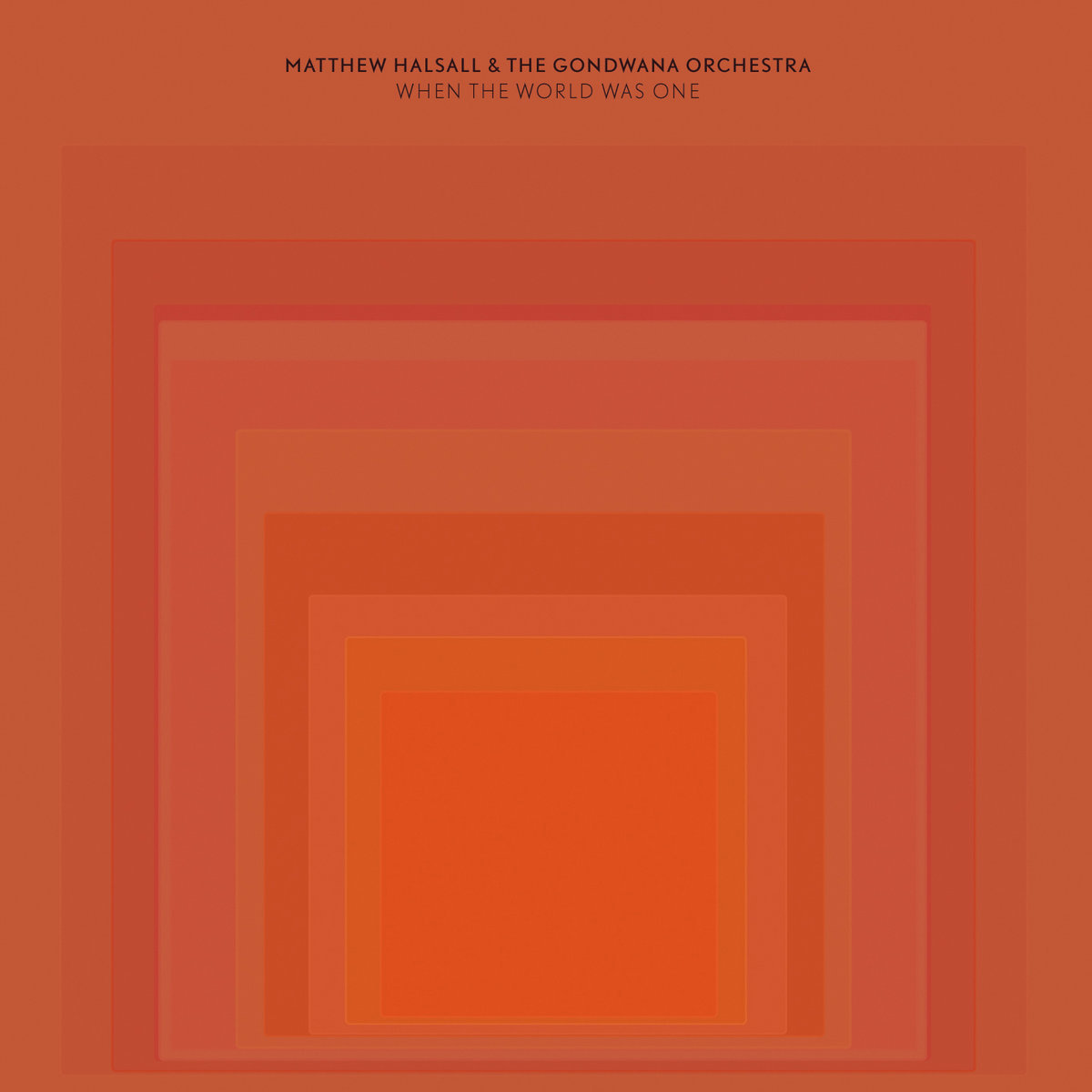
Year: 2014. Genre: jazz. © Matthew Halsall & The Gondwana Orchestra.
Presented as the soundscape for a time when the world existed as one super continent, When The World Was One features lucent arrangements that radiate towards the ecclesiastical end of the jazz spectrum, with the ghosts of Pharoah Sanders and Alice Coltrane hovering at the edge of one’s hearing.
Dualism by Nadt Orchestra
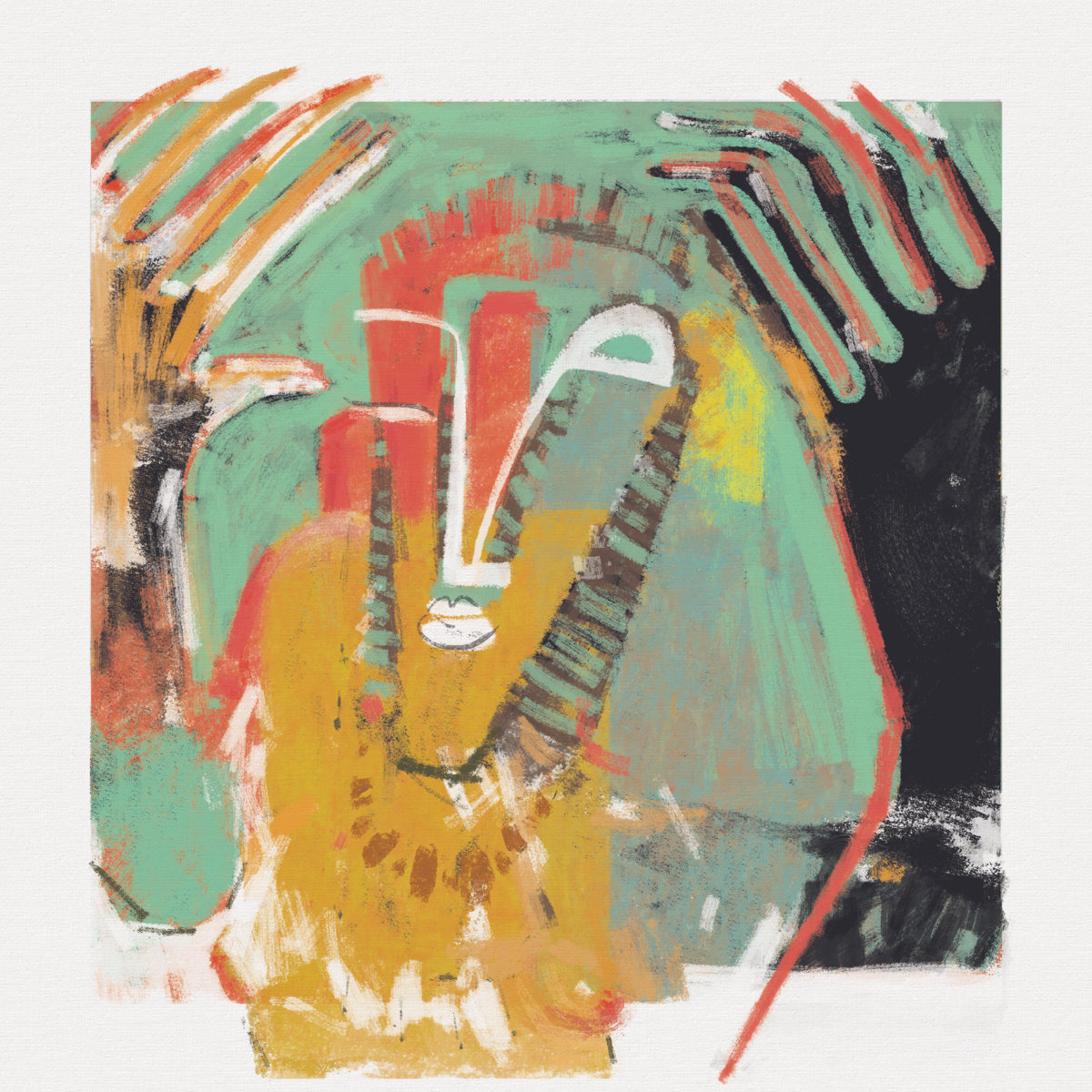
Year: 2025. Genre: jazz. © Nadt Orchestra.
Not all side quests are the same. Some conclude in dead-ends. But some wind up in Bologna, where the Nadt Orchestra’s Dualism mingles music traditions from Africa, Central America, and the Middle East in a way that presents the album’s themes—light and darkness, inertia and momentum, and preservation of tradition and the need for constant innovation—as oppositional and harmonious conditions that are instrumental for art and life. With the orchestra’s name coming from the Sanskrit term “nadt”, a pathway through which energy flows in the human body, Dualism boldly channels and transmutes the energies of all its myriad influences.
Space 1.8 and Endlessness by Nala Sinephro
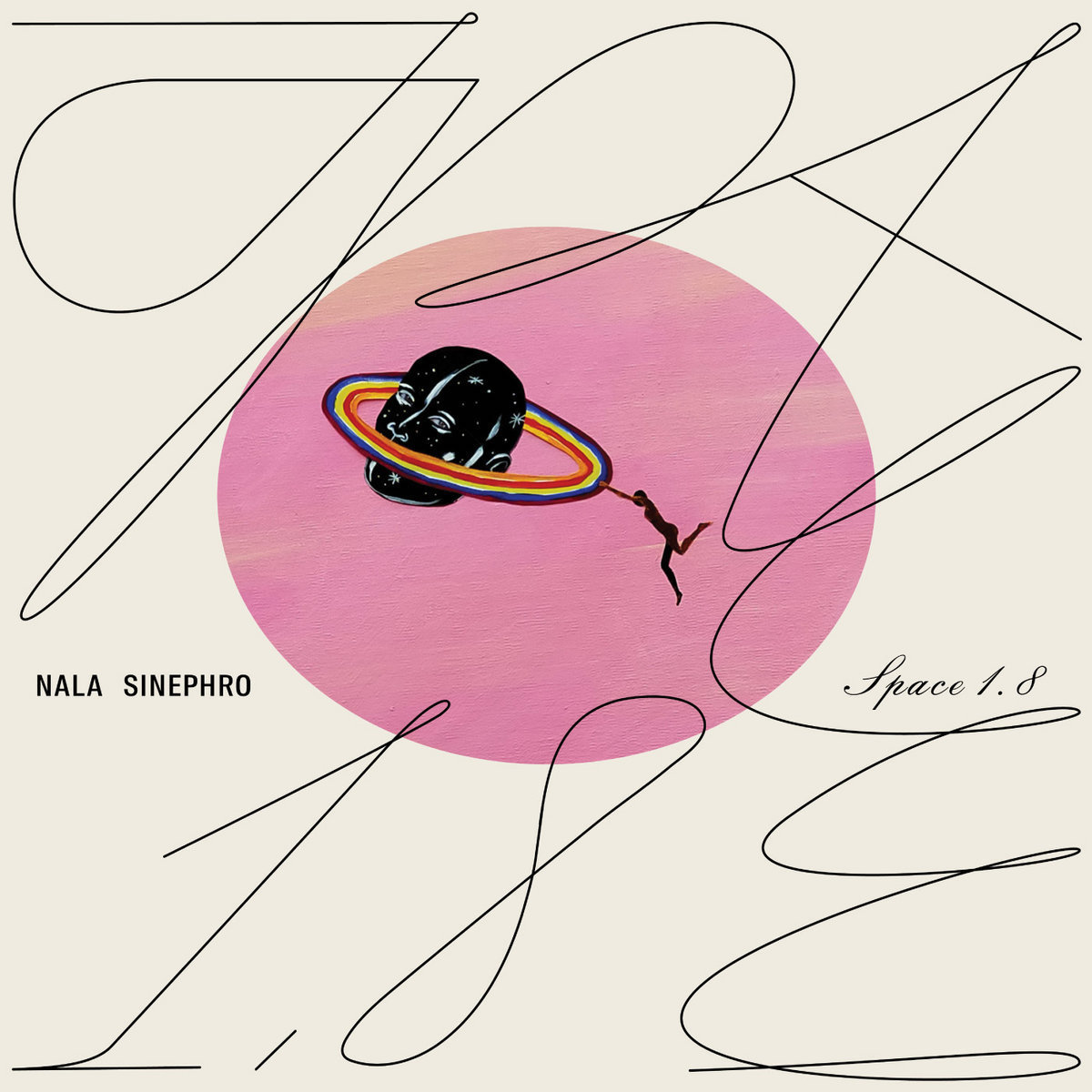
Year: 2018. Genre: jazz. © Nala Sinephro.
Nala Sinephro’s Space 1.8 is so subtle in its use of sound and silence it is impossible to listen to it as a secondary consideration. One has to make time and find the ideal environment in which to fully engage with the frequencies being broadcast from this special recording.
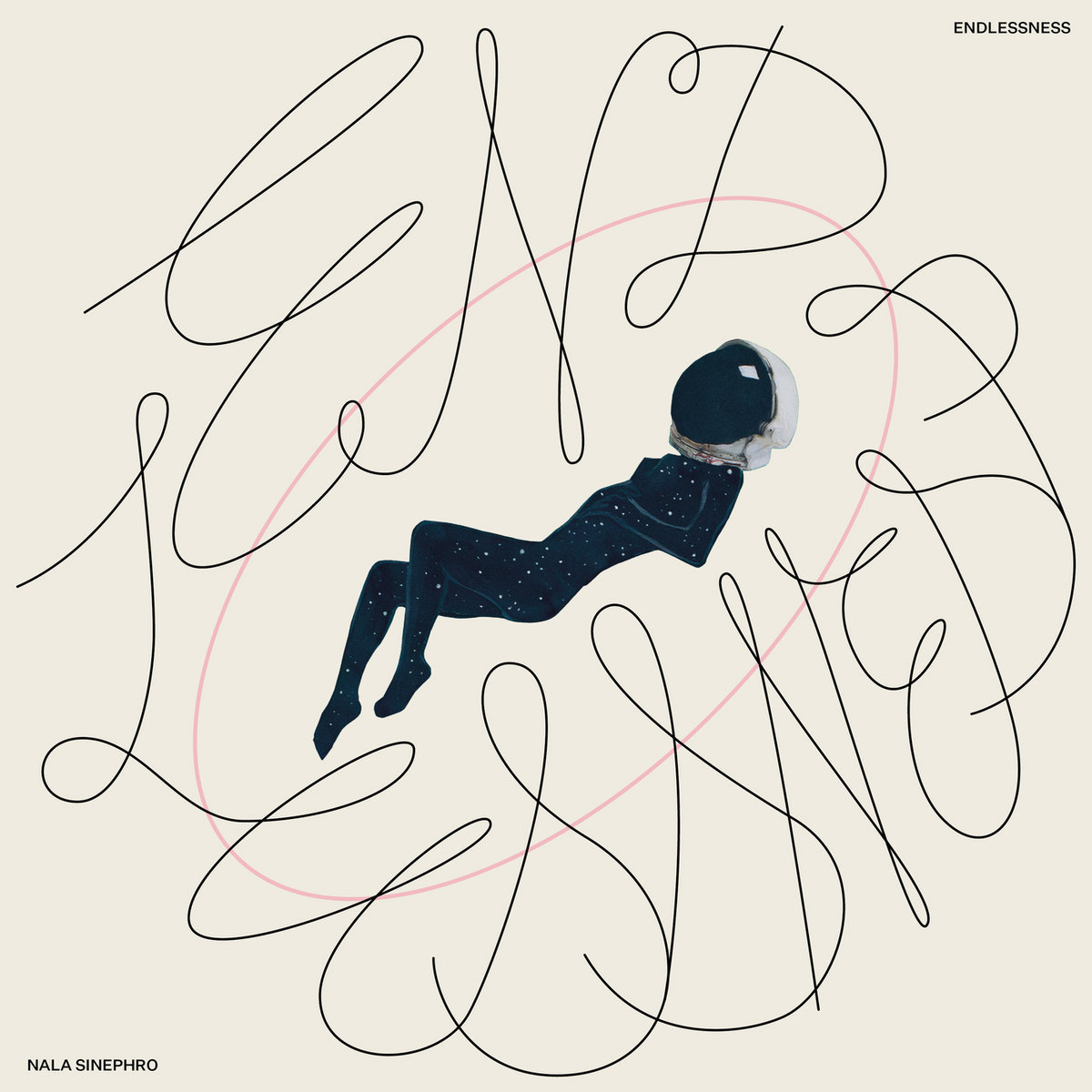
Year: 2024. Genre: jazz. © Nala Sinephro.
Further adrift from the conventions and fleeting certainties of jazz, Endlessness travels through space and the listener’s consciousness shrinking the distance between ideas and bringing that which is imperceptible into focus and clarity. This is an interstellar composition propelled by the singular magic of its own brilliance.
Freedom Fables and Find Your Flame by Nubiyan Twist
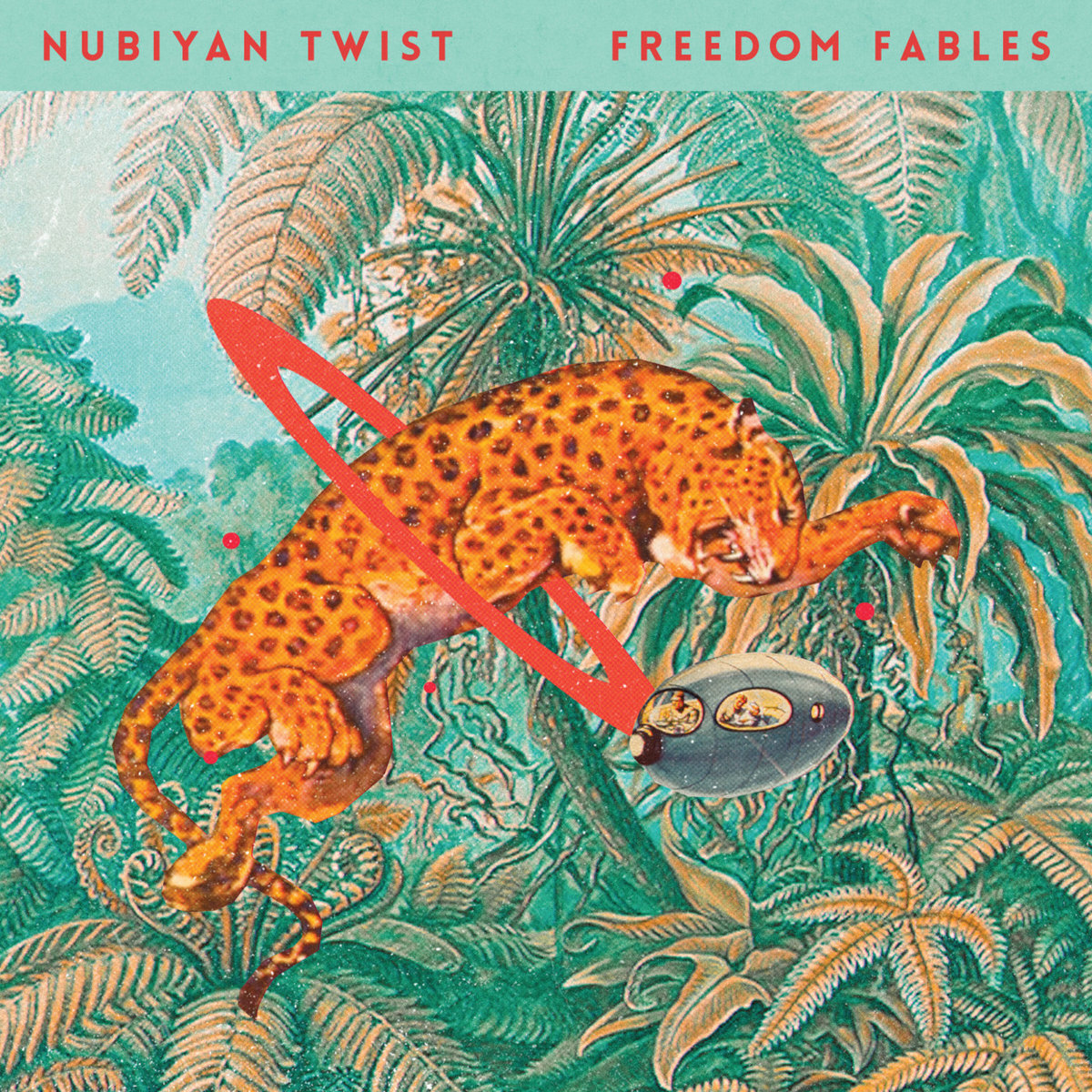
Year: 2021. Genre: afrobeat, highlife, hip hop, jazz, and soul. © Nubiyan Twist.
Nubiyan Twist’s Freedom Fables is vigorous in its rhythms and vivacious in its vocals. There is not one song that sounds like the next—and yet, as a whole, the album is cohesive as it explores the power of narratives and the gift that is storytelling. This is an album of short and tall tales; mostly it is an album that makes movement out of the smallest moments.
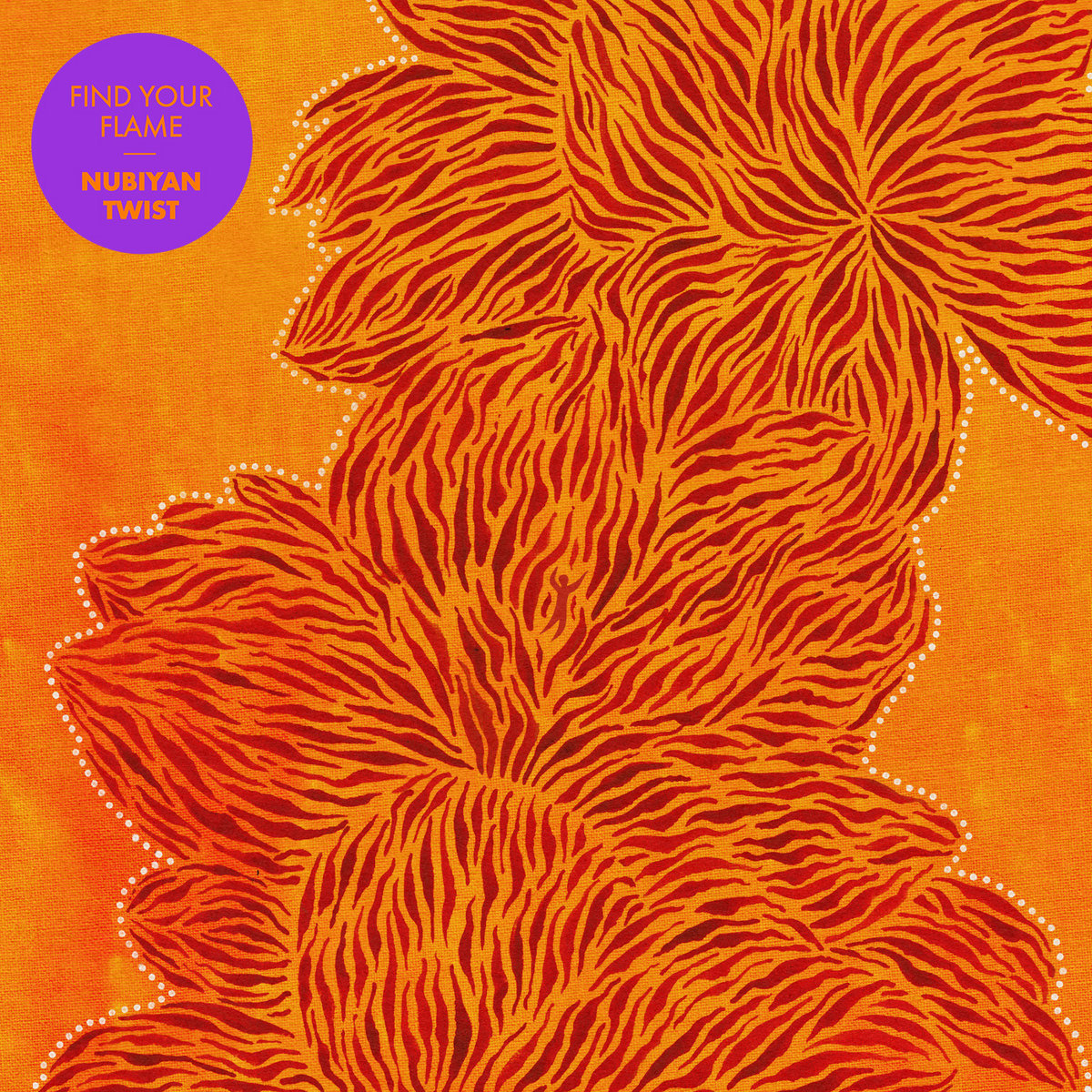
Year: 2024. Genre: afrobeat, highlife, hip hop, jazz, and soul. © Nubiyan Twist.
Find Your Flame is fresh and invigorating. The horns, the percussion, and vocals sound like they were given a spring clean before being used in the recording studio. The result is an album that is littered with star-studded collaborations that burns with the flames of rebirth and smokes with newfound re-creation.
Odyssey by Nubya Garcia
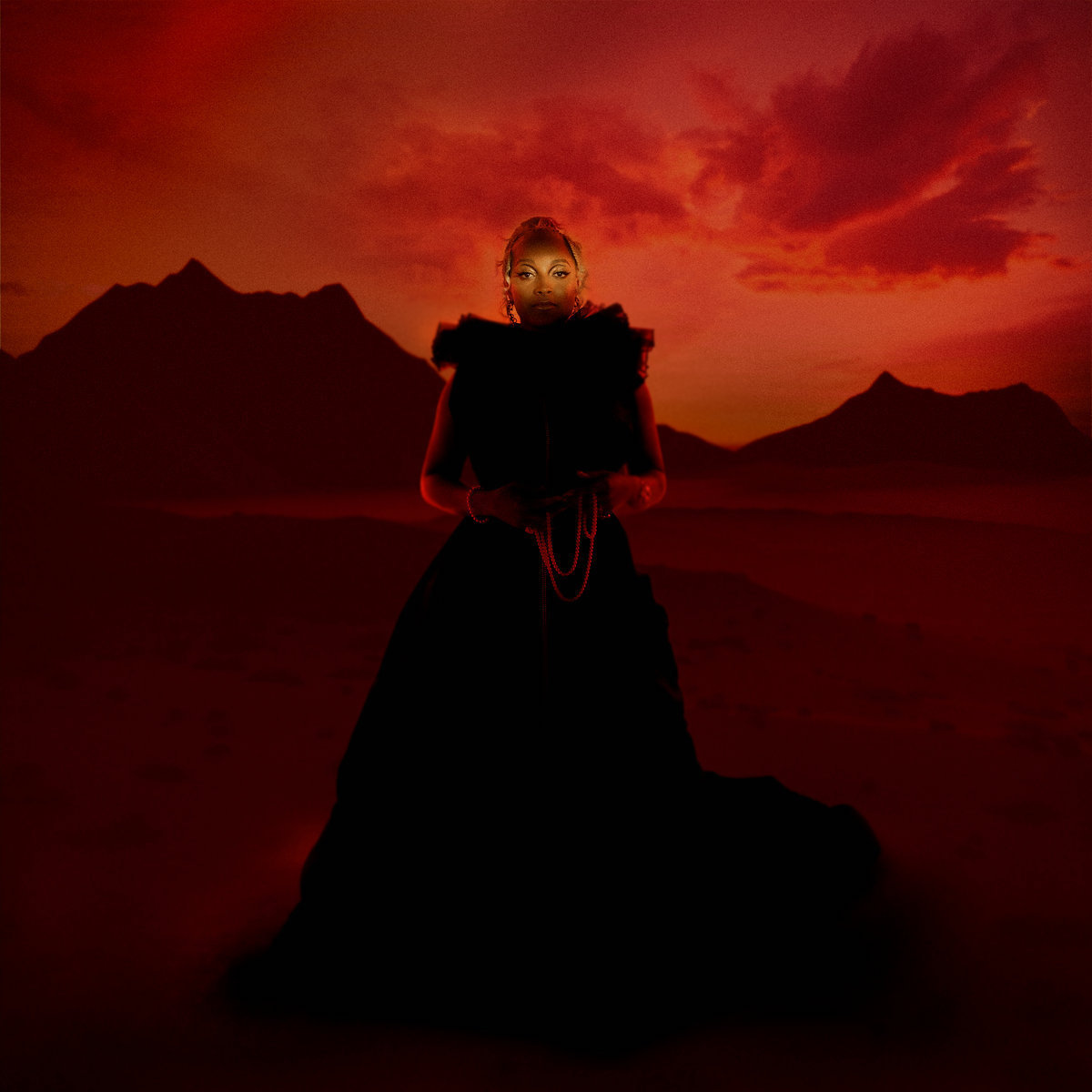
Year: 2025. Genre: jazz. © Nubya Garcia.
Not every journey can be classified as an odyssey, a long and eventful or adventurous experience that takes considerable narrative skill and time to tell. Most journeys are just journeys, forgettable movements from here to there. Nubya Garcia’s third album is Odyssean, a multi-act and multi-arc masterpiece with majestic and sweeping orchestral arrangements and vocals that soar and slink.
Dakan by Orchestra Gold
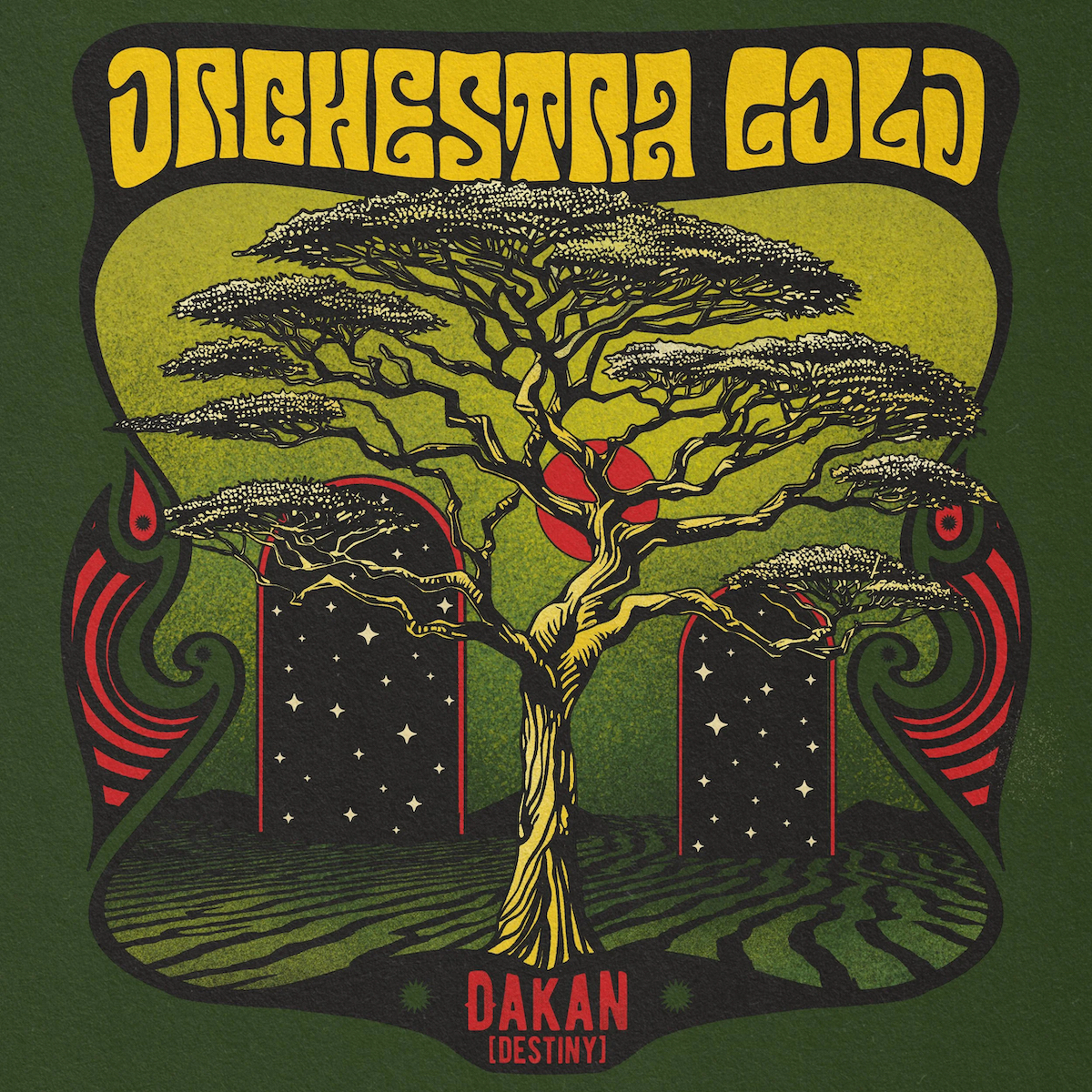
Year: 2025. Genre: rock. © Orchestra Gold.
Orchestra Gold’s first offerings were psychedelic rock explorations that sounded as though they would be right at home on a long-haul cosmic cruiser’s radio station. Dakan—meaning “destiny”—ditches the stars for the dirt; it combines gritty desert blues thrumming with witch magic with raw Malian vocals from the outer rim. Dakan is what whiskey would taste like if it was matured in baobab casks.
Expanding To One by Phi-Psonics
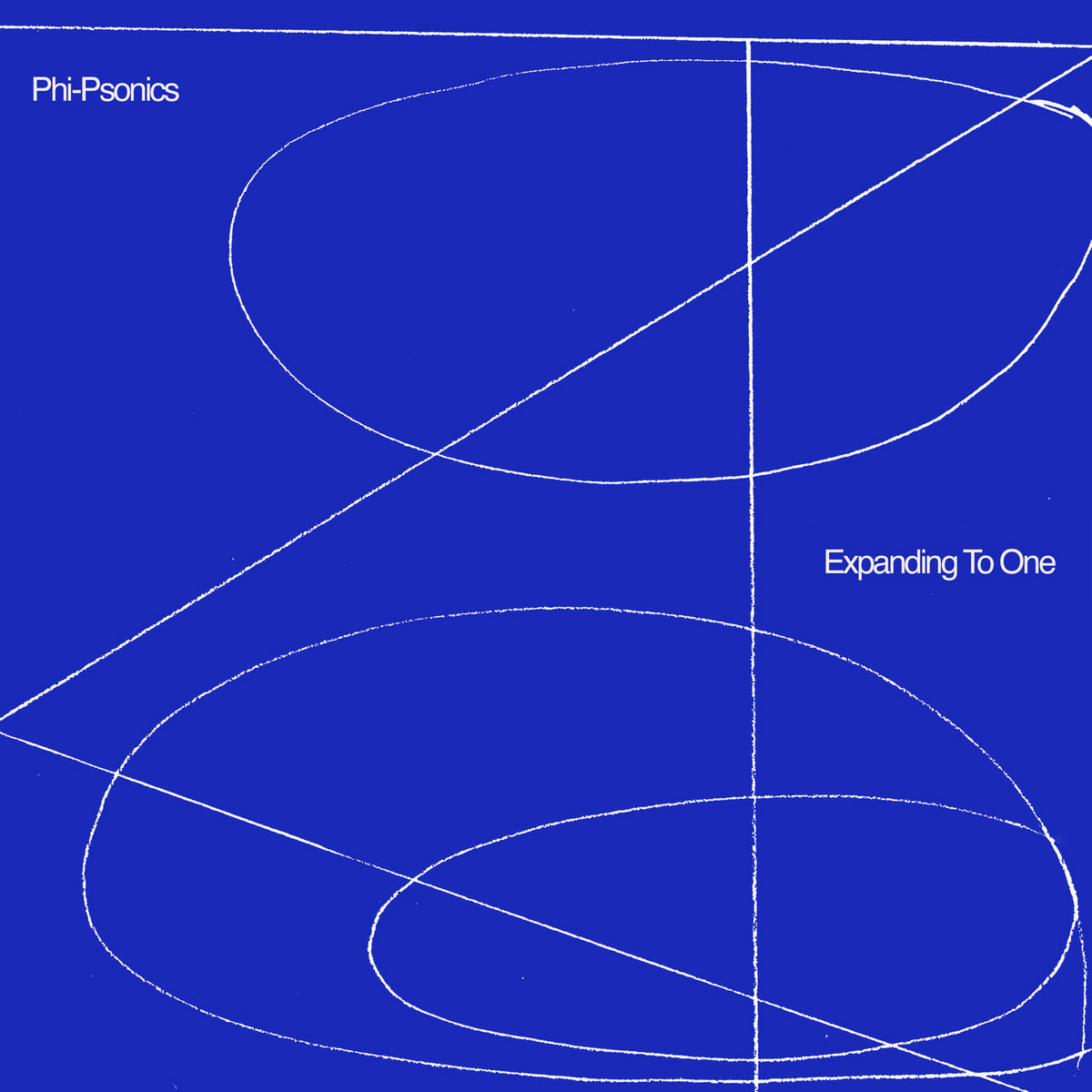
Year: 2025. Genre: jazz. © Psi-Psonics.
The spiritual jazz branches into numerous pathways. It can slalom into triumphant and celebratory compositions that embrace chaos as a necessary component for understanding the threads that weave through creation, or it can slide into slower, measured arrangements that bear kinship with ritual worship. Expanding To One flits between the two, being both focused and experimental without succumbing to the loss of structure that can sometimes be alienating even to the most ardent spiritual jazz enthusiasts.
Can We Go Back by Pink Butter
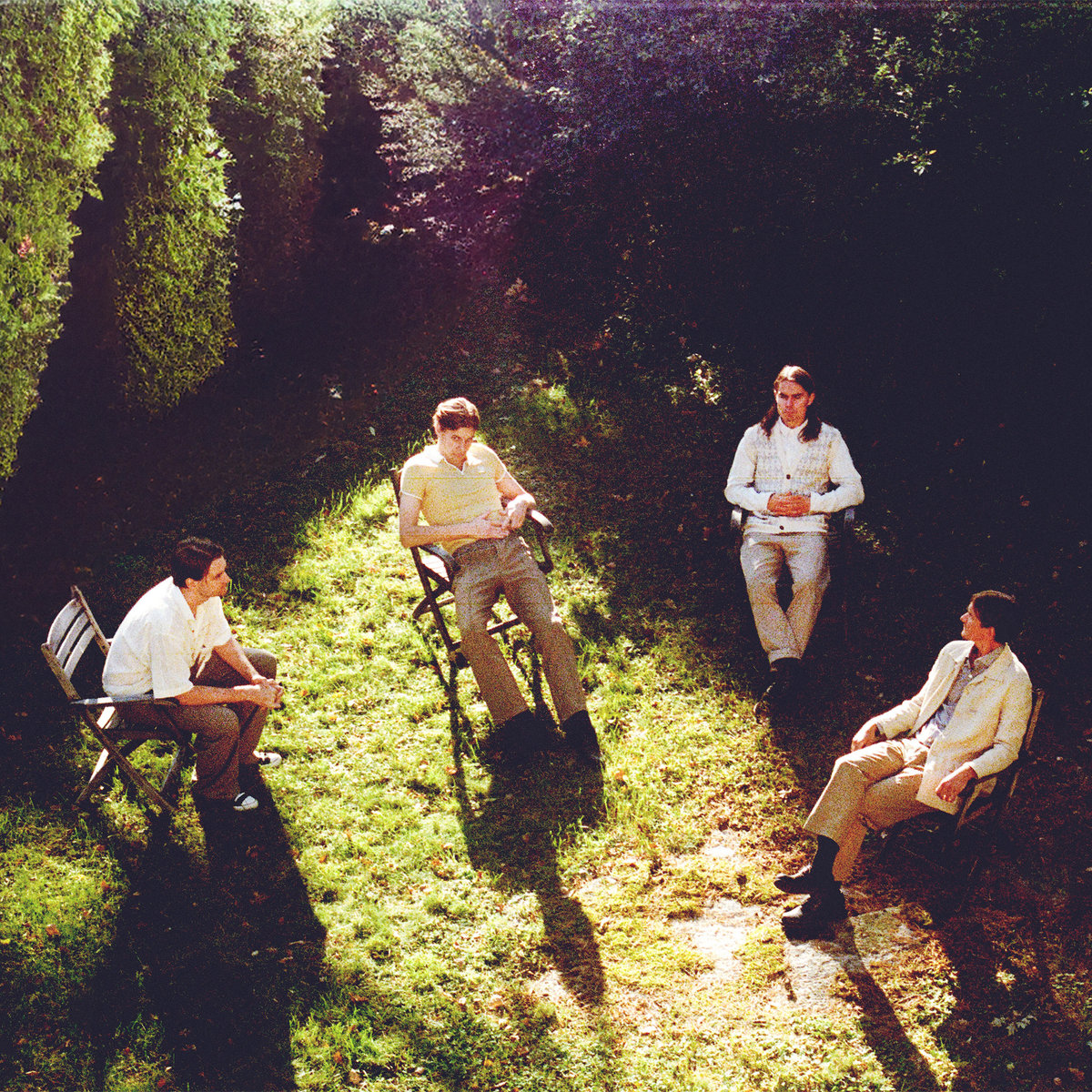
Year: 2025. Genre: R&B. © Pink Butter.
The world is such that music genres can take root in the strangest geographies, growing in interesting ways but always carrying the trace genetics of their precursors. Sweden is not the soul capital of the world, but Pink Butter’s Can We Go Back is so heavy with feeling and emotion one wonders what is going on in Scandinavia. A search party needs to be sent there and report back on the wellbeing of the citizenry.
Cubico by Ria Moran
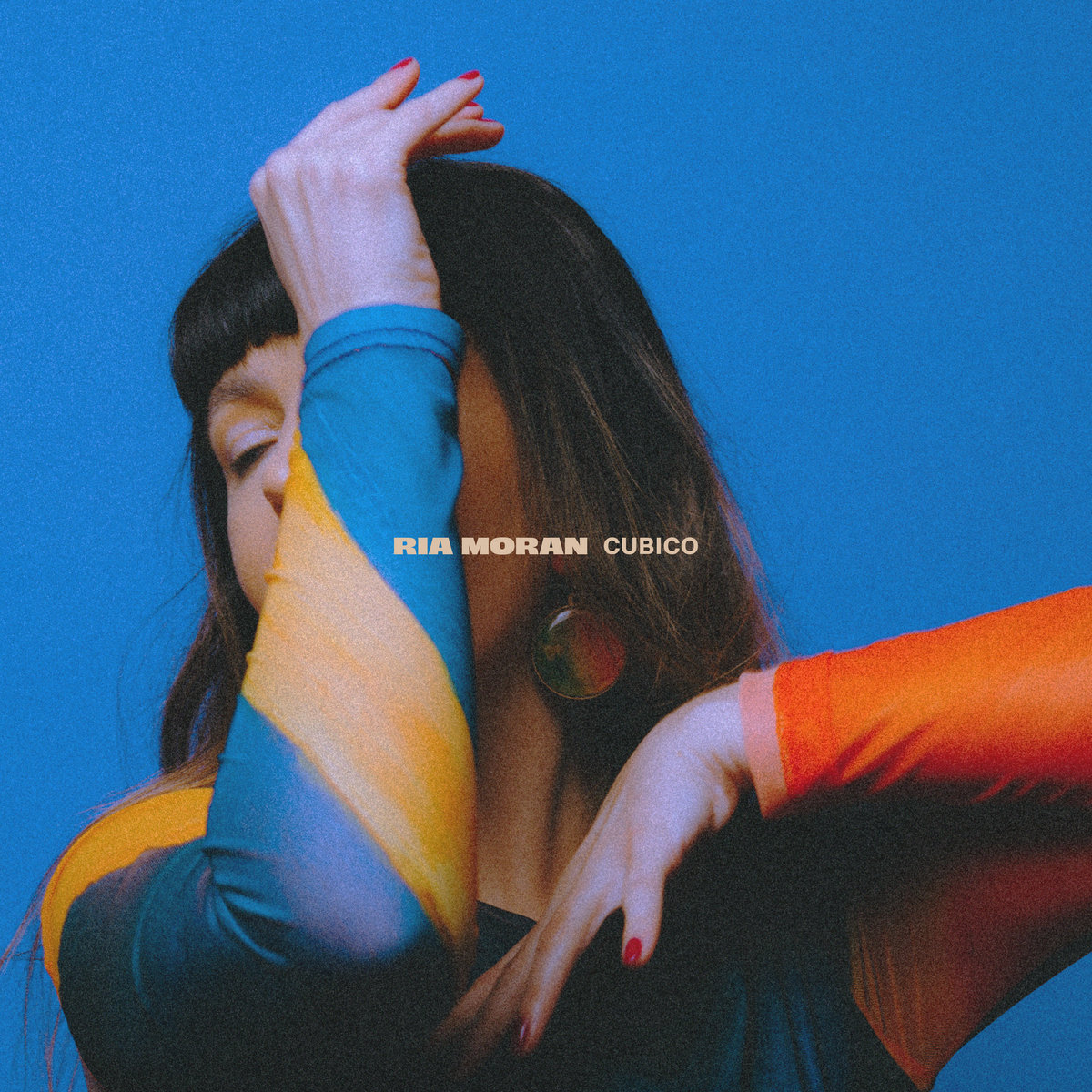
Year: 2025. Genre: R&B. © Ria Moran.
Cubico curates immersive and expansive R&B that deftly explores love, its loss, and the understanding of oneself when between the two states. Ria Moran does not write songs, she scripts and choreographs entire moods and stages of personal evolution with her voice.
Curyman by Rogê
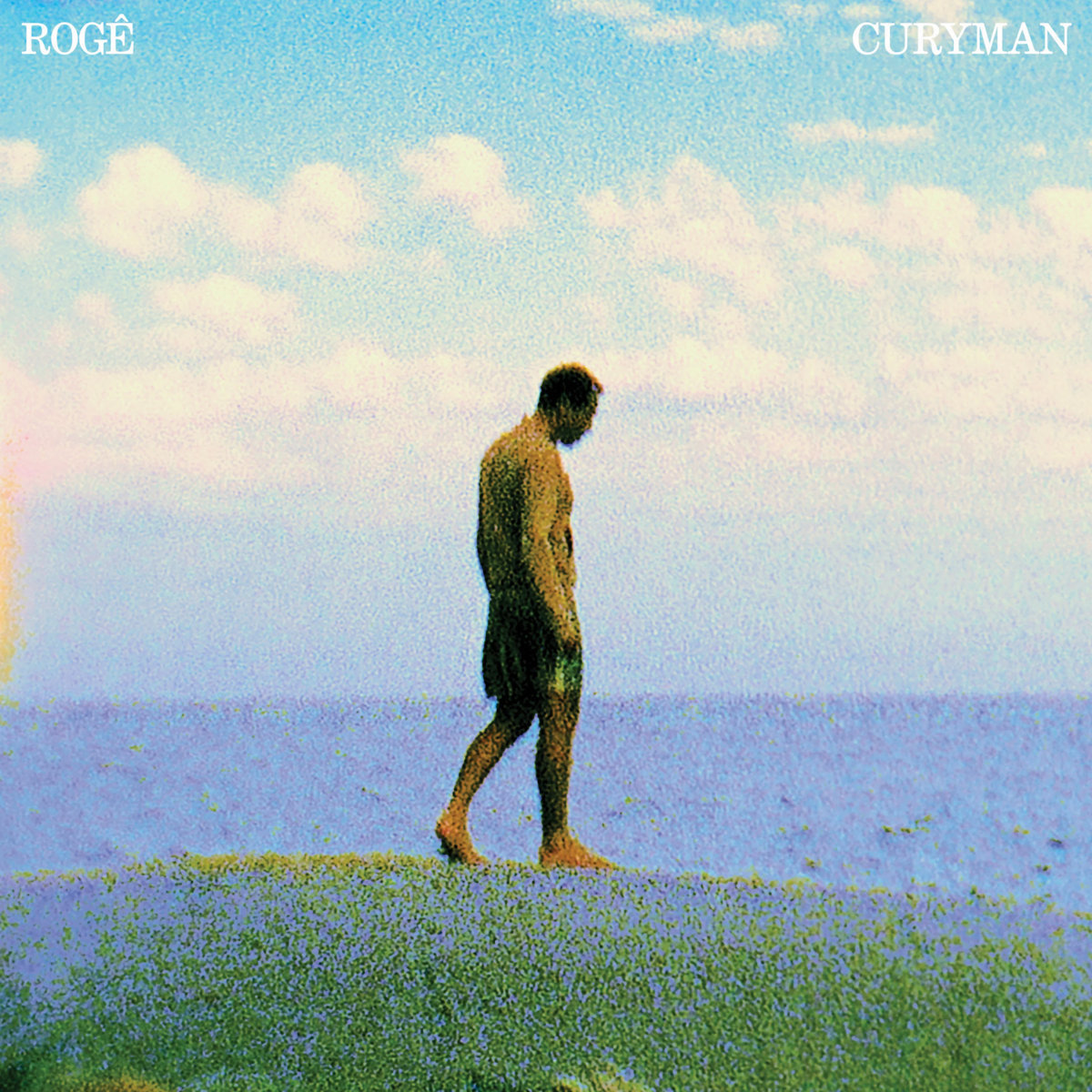
Year: 2023. Genre: Samba. © Rogê.
This celebratory samba album features the uplifting arrangements that have made Brazilian music the anthemic sounds of summer and beach life. Curyman does not swing, it sways.
Legacy! by Ruby Rushton
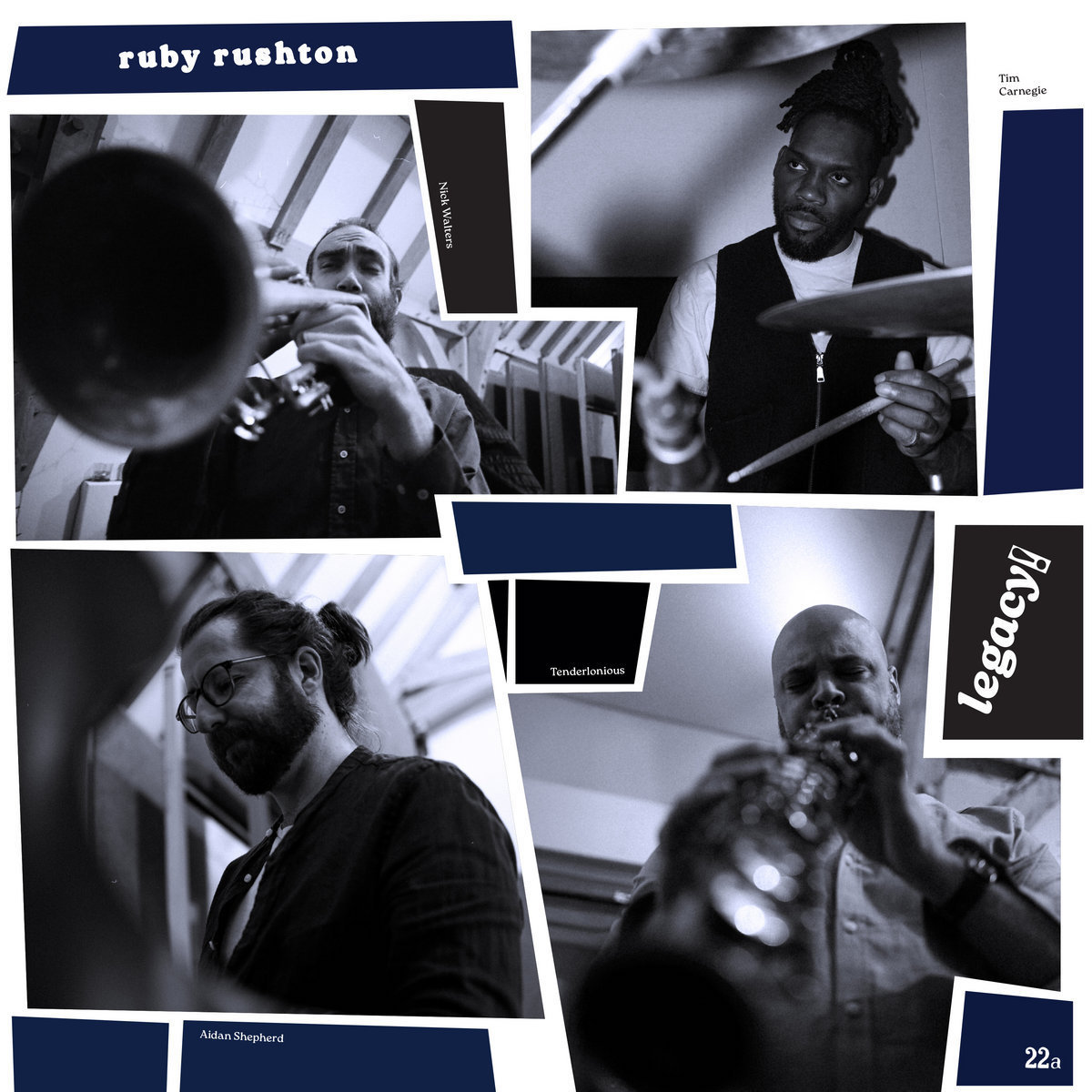
Year: 2025. Genre: jazz. © Ruby Rushton.
To say that “all of the good jazz has already been made” is to ossify a genre that was designed to be fluid and take on the grains, moods, shapes, and ambiances of its practitioners’ time. It is also to deny the skill of Ruby Rushton’ ongoing jazz explorations and expansions. Legacy! is back-in-my-day kind of good, but it is also reflective of the present and, in that way, it is even better.
Rammana by Salin
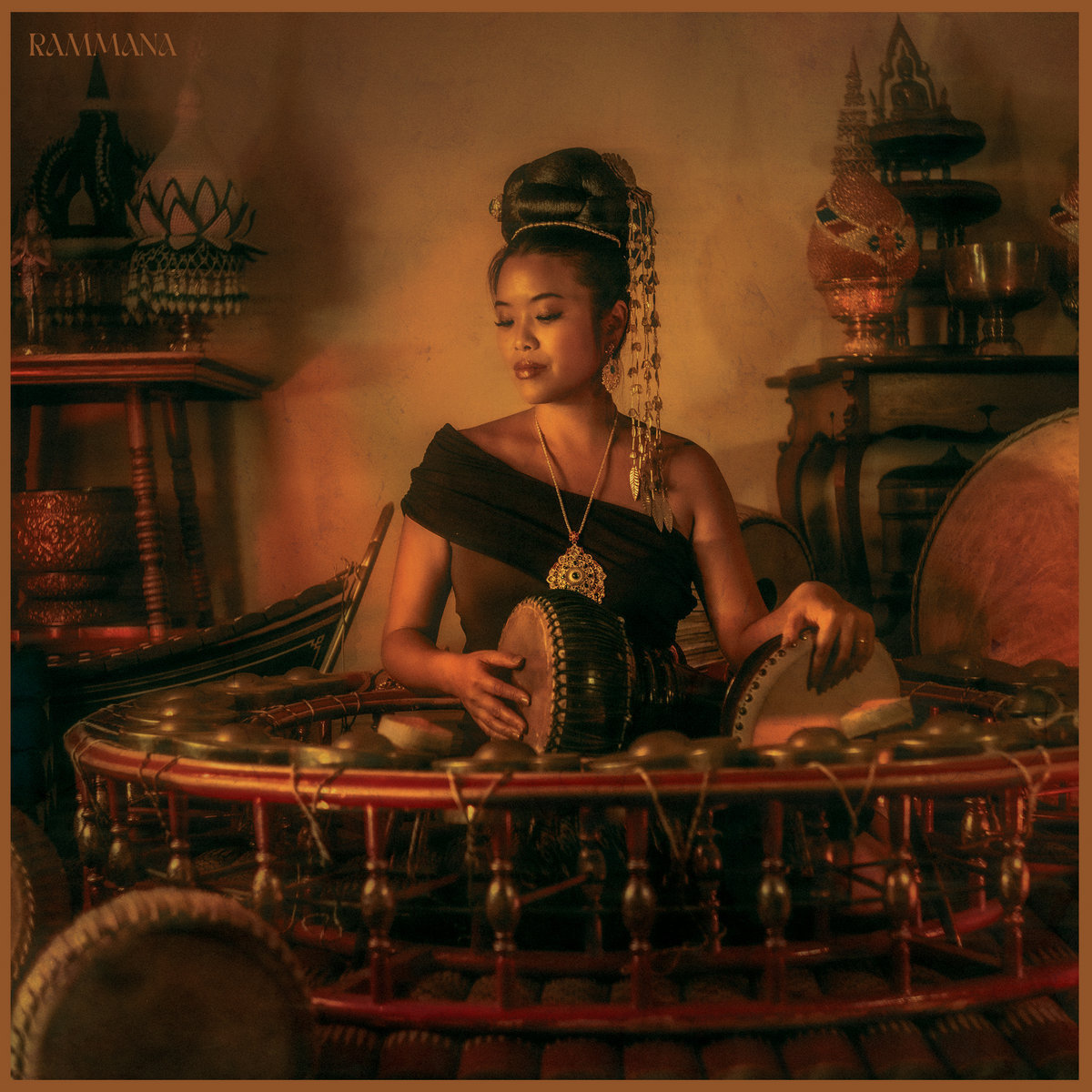
Year: 2025. Genre: afrobeat with Thai instrumentation. © Salin.
There is Ghanaian jollof rice which is good. And there is Nigerian jollof which is also good. Then there is Senegalese jollof which started the whole thing but has had its place usurped in the conversation buy its noisy neighbours. But, wait, there are other variants: Mauritanian, Malian, and Gambian jollof. But, and this is where things become interesting, there is Thai jollof rice, too, and it is its own delightful discovery. Call it “Afro Isaan soul”, Salin’s self-coined term to describe her merging of afro-jazz, funk, and Thai instrumentations. On paper it should not work, but music is neither played nor experienced on paper—it is heard and felt in the soul. And, man, oh, man: Thai jollof rice bangs.
Perceive Its Beauty, Acknowledge Its Grace by Shabaka
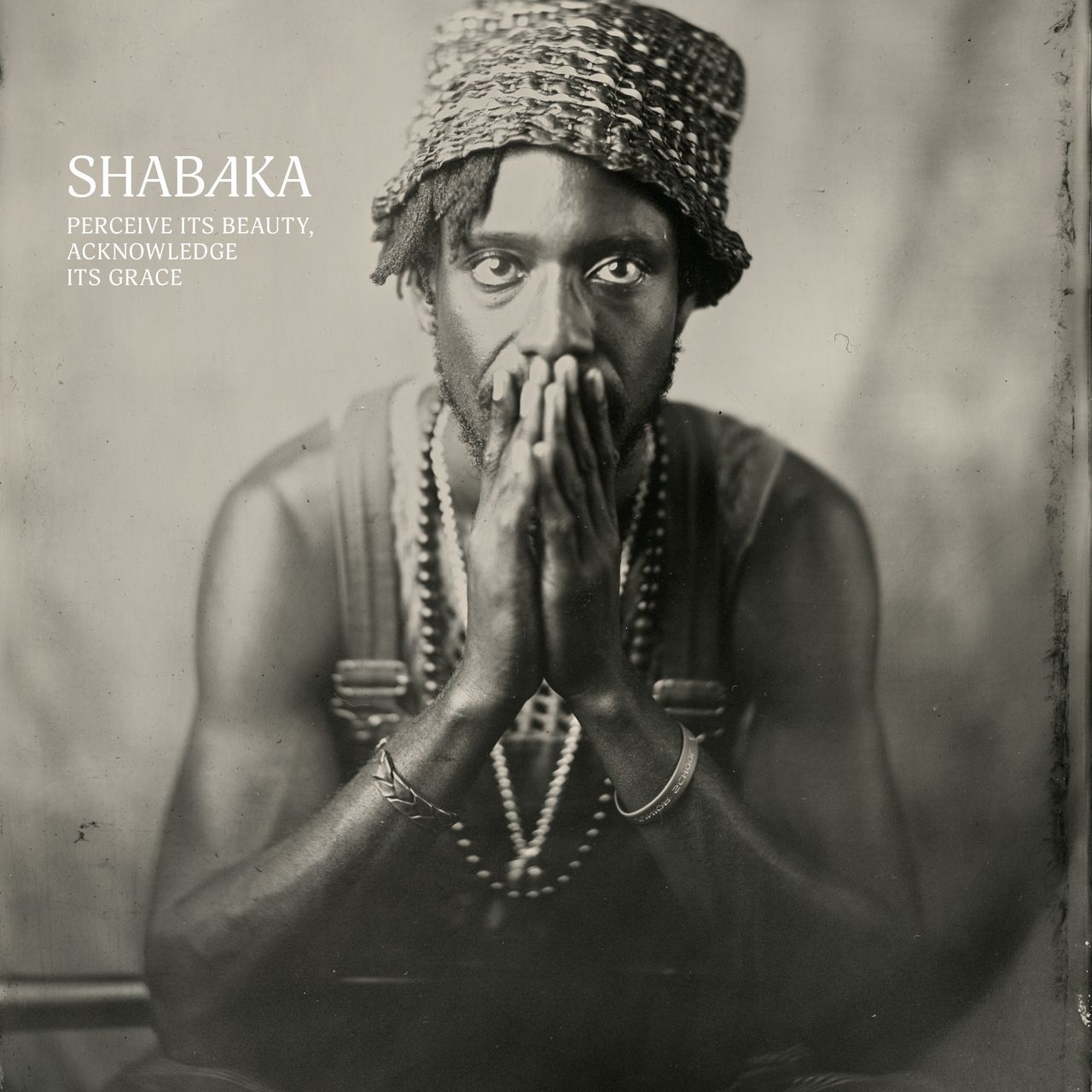
Year: 2024. Genre: jazz. © Shabaka.
Shabaka’s shamanic Perceive Its Beauty, Acknowledge Its Grace is a symbolic and numinous album that pays homage to rites and rituals of metaphysical enlightenment without being performative or exclusionary. Both the faithful and the doubting are invited to its ministry. There is no first and none shall be last; there are only those who are here now and those who are yet to find their way to it—they are on their way, of that there is no question. This is an album of immense beauty and chasmic depth that is a balm to the attuned; it is timeless not as something unaffected by time but as a reprieve from its relentless and exhausting rush.
5 by Sault
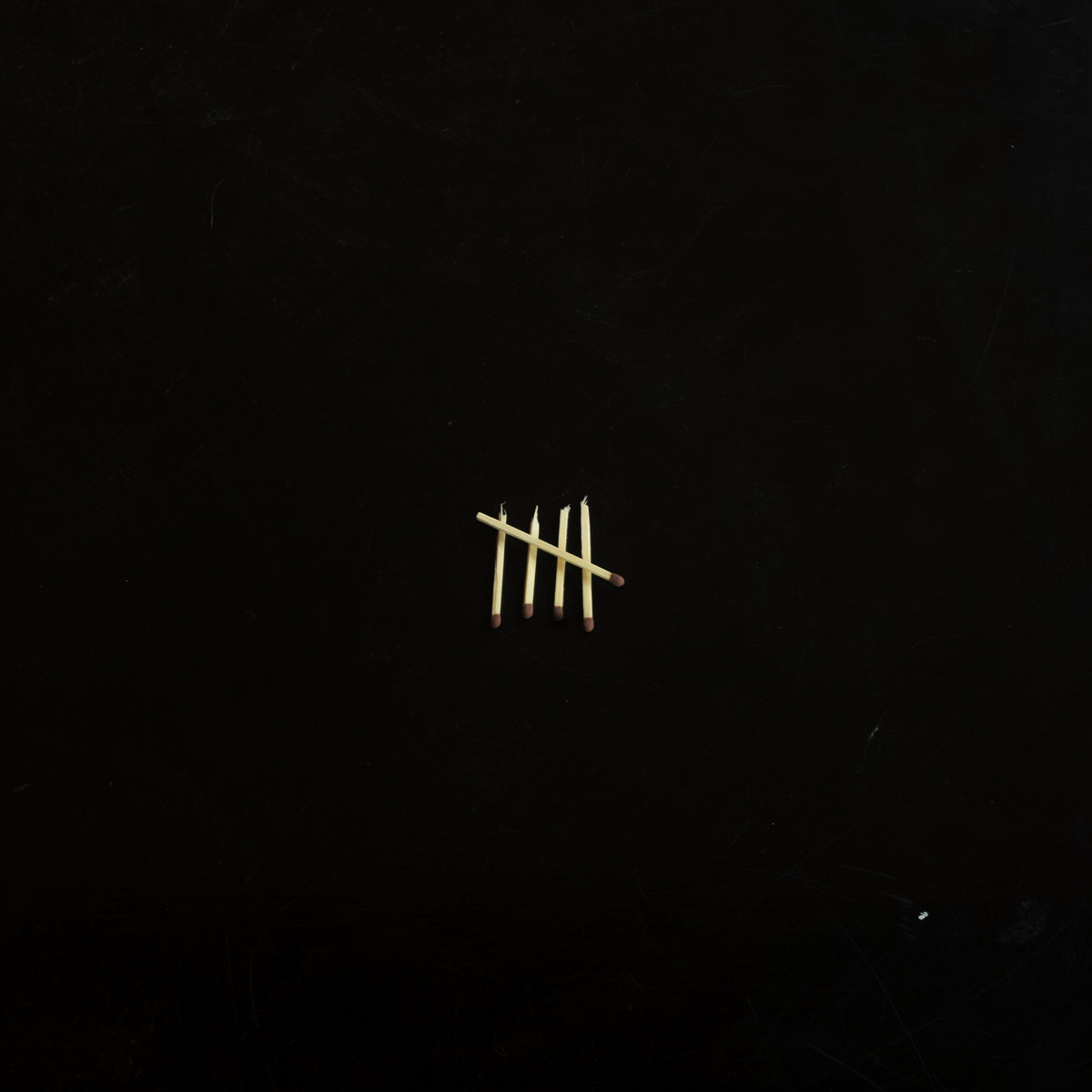
Year: 2019. Genre: funk, neo soul, and R&B. © Sault.
Sault’s reputation for producing some of the most conceptually intriguing funk, soul, and R&B albums is well justified: twelve studio albums and two extended plays and counting. Their oeuvre deals with matters of substance: spirituality and the self, blackness, resistance, and joy in all of its manifestations. Their sound can be orchestral or vocal, but it is unmistakable: Inflo and Cleo Sol are a duo with range and rove. 5, released in 2019, remains the key entry point to their body of work. It is funky and animated, electrifying and galvanising, and it is an excellent accompaniment to any listening session because “…sometimes you just gotta add a bit of sault.”
Sunbörn by Sunbörn
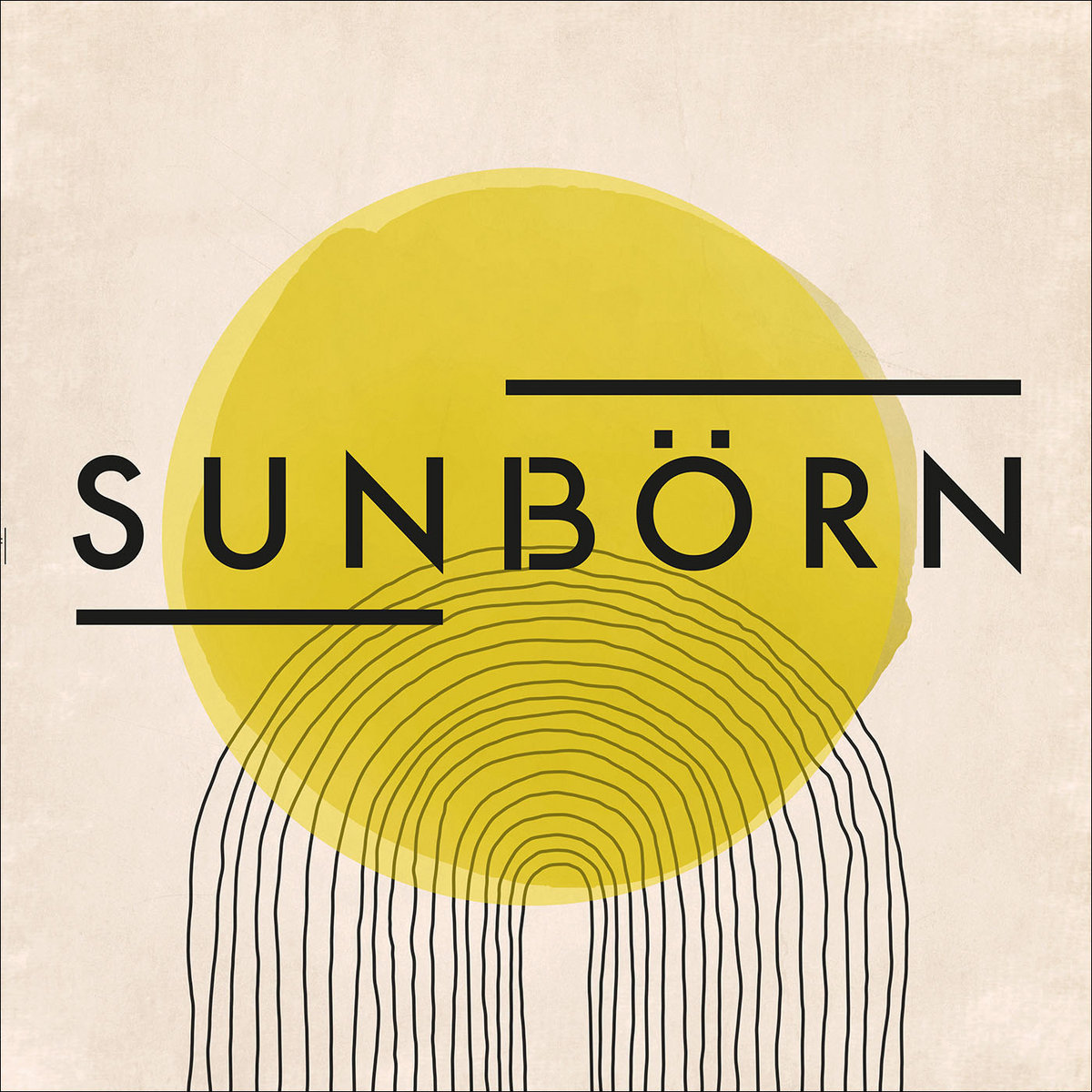
Year: 2023. Genre: jazz and fusion. © Sunbörn.
The Danes are learning how to make jollof rice and, at this stage, one might as well open themselves up to the possibility of it being quite good. Not comparably good (one cannot give them too much credit because…well…reparations) or better (“Ain’t no way, boy!”)—but it is definitely one of those dishes that, when it is brought to the potluck, makes everyone look at them with newfound respect because they actually might clock the technique and start spreading the gospel of spice and flavour over texture and appearance to the rest of their countrymen. Sunbörn, formerly known as KutiMangoes, is self-described as sunny and this album amalgamates numerous organic grooves in a feel-good compilation that is, quite thankfully, at odds with the times.
Earth Is Begging by Sunbörn Meets Clap! Clap!
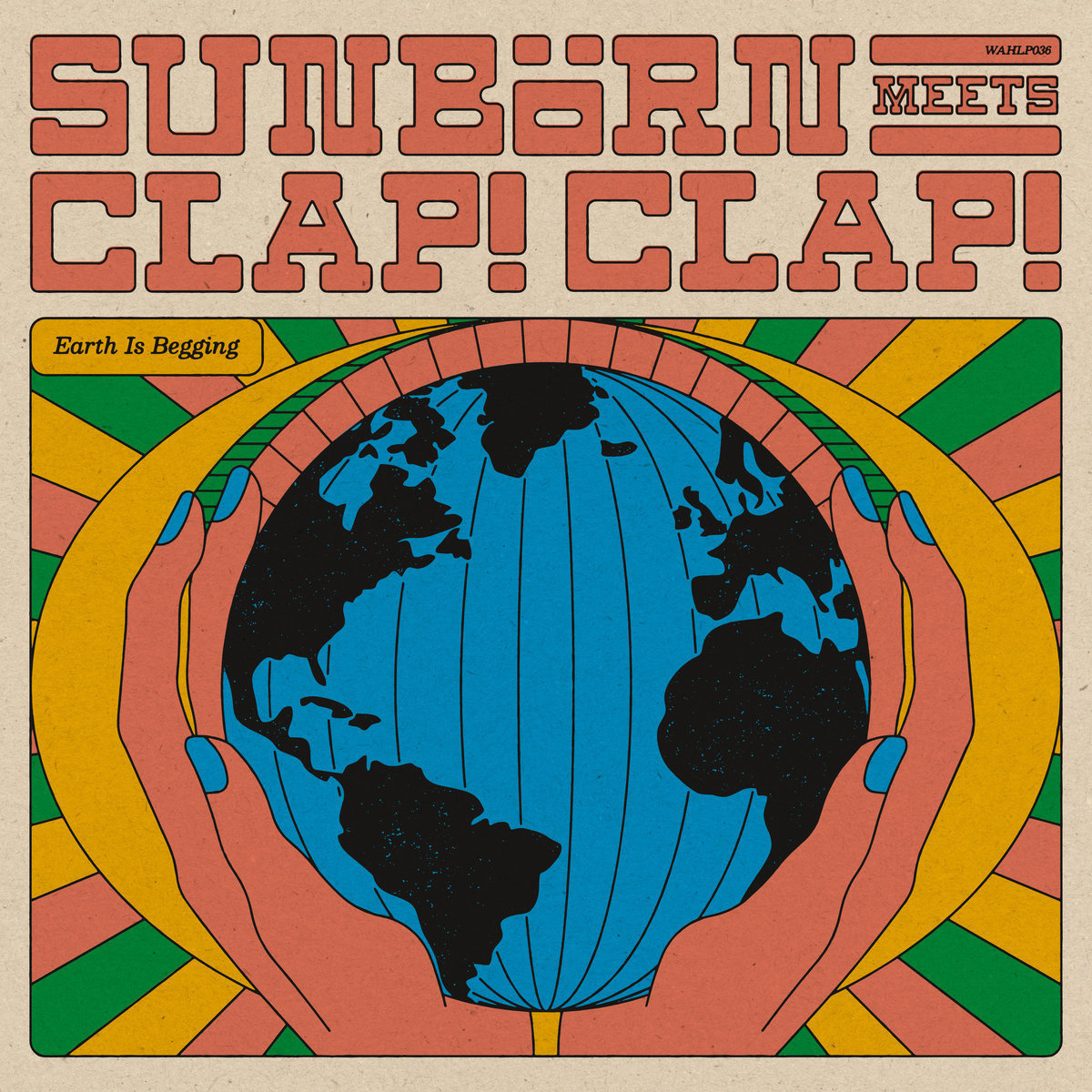
Year: 2025. Genre: jazz and fusion. © Sunbörn Meets Clap! Clap!.
Earth Is Begging, a collaboration with Clap! Clap! is another Sunbörn offering with driving rhythms that pays heed to its influences’ origins while creating something altogether new and warm.
Spirits and Orbits by The Circling Sun
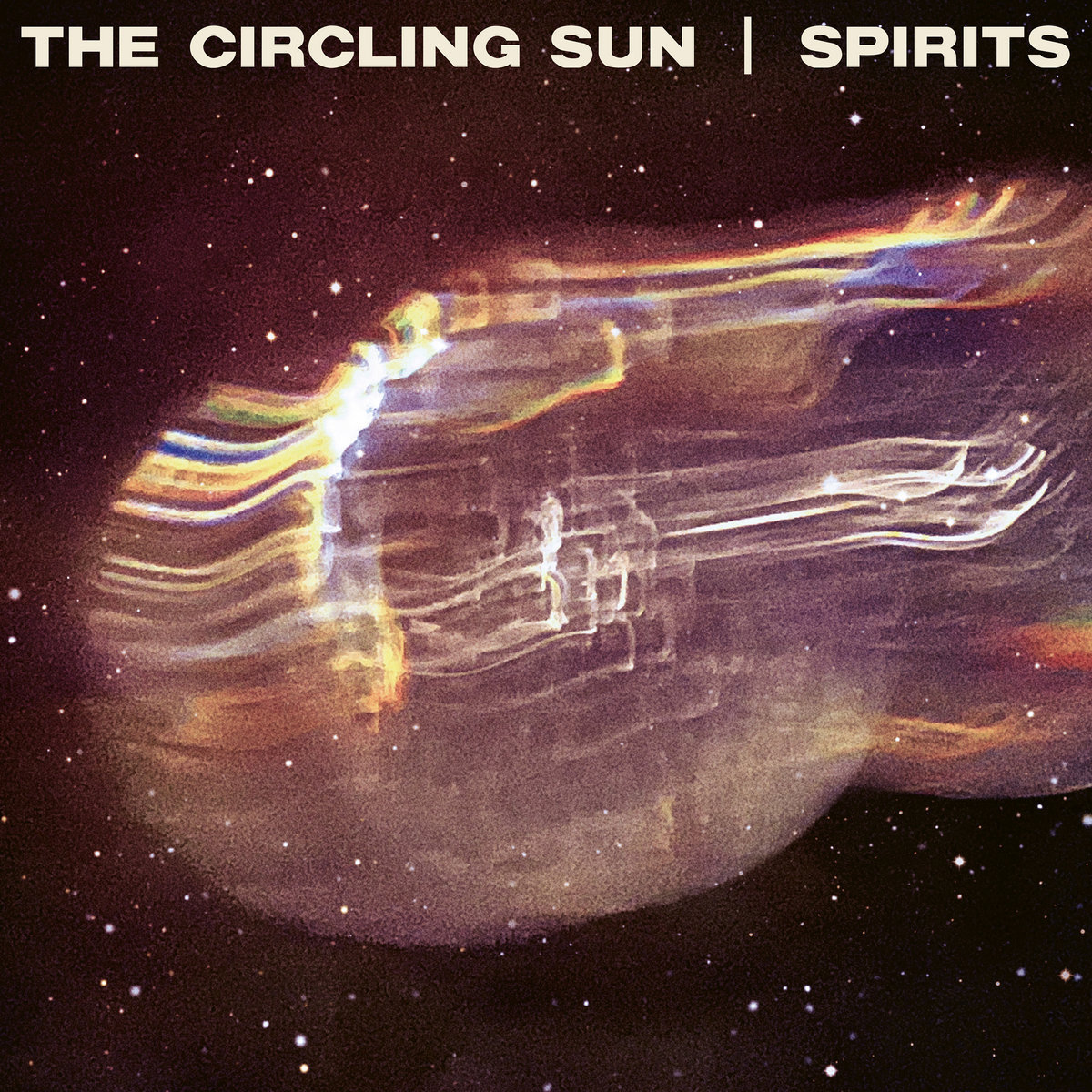
Year: 2023. Genre: jazz. © The Circling Sun.
Spiritual jazz traces its origins to John Coltrane’s A Love Supreme while Alice Coltrane and Pharoah Sanders infused it with Eastern harmonies. Sun Ra took it to space with his musings, fascinations, and obsessions. And it is in space where The Circling Sun, the New Zealand-based ensemble, provides the discipline with its most jubilant and modern articulation: a theory of sound in which each instrument is accorded a place of pride in its sublime surroundings; the saxophones, the harps, the flutes, the horns, the keyboards, and the percussion—all of them are in glorious chorus and in triumphant form on Spirits, an album of empyrean celebration.
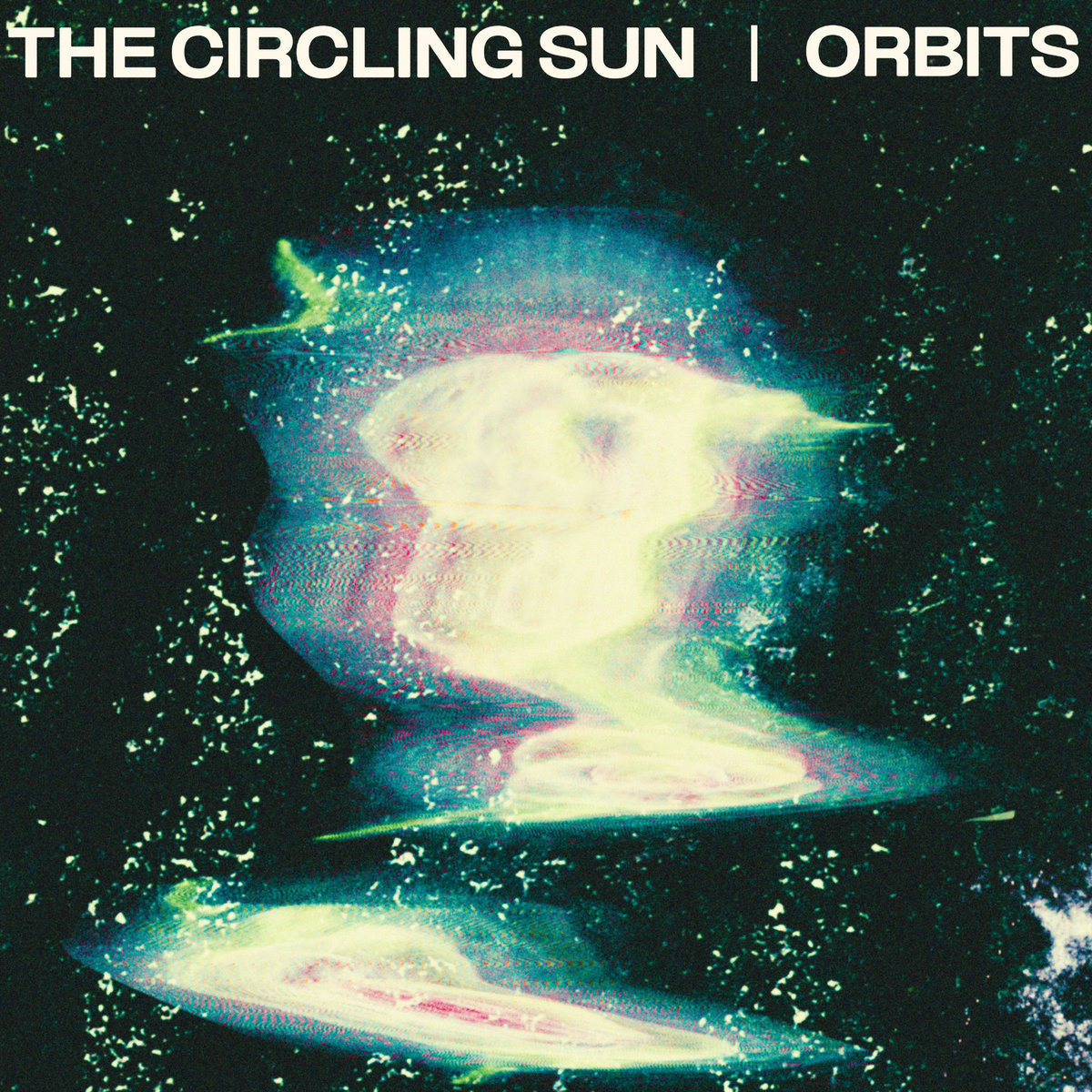
Year: 2025. Genre: jazz. © The Circling Sun.
If Spirits is jazz as spectral meditation, then Orbits is jazz as cosmic consciousness that pulses with pulchritude. There are soulfully sonorous motifs in circular or elliptical orbit in the songs; some pass close to the ear where they can be easily discerned before being flung so far away only the soul can perceive them. Orbits is an album that was made with the repeat button in mind, with each respective listening session bringing fresh and unexpected understanding.
Ornithology by The Diasonics
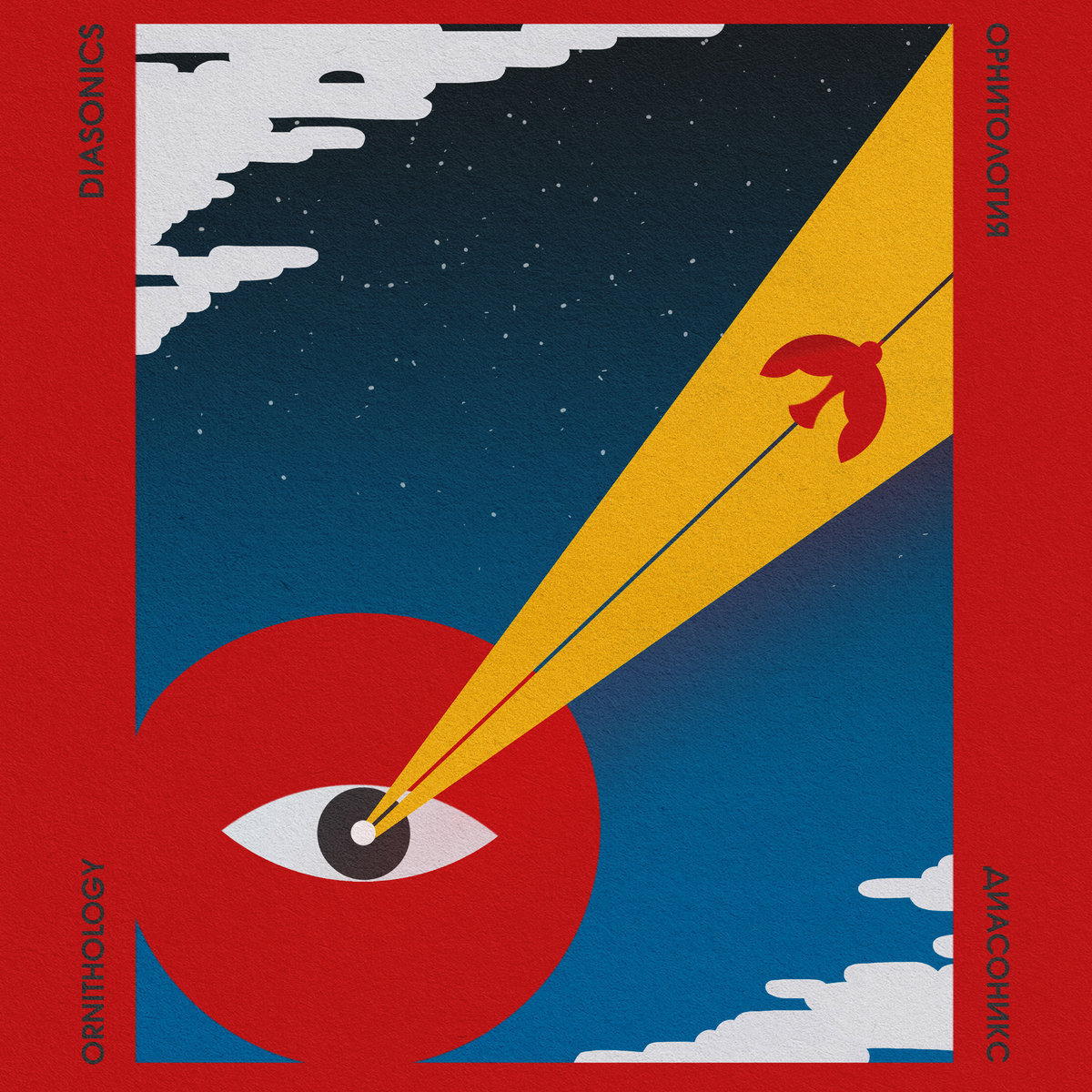
Year: 2025. Genre: disco and funk. © The Diasonics.
Highly conceptual albums remain a form of art that few can master. To find a theme that is explored in each song and in different ways without becoming repetitive is an artistic challenge. Nonetheless, the Moscow-based Diasonics successfully produce a disco-funk record with avian motifs—flight and freedom being chief among them—without incurring the wrath of avid birdwatchers.
Perak by Thee Marloes
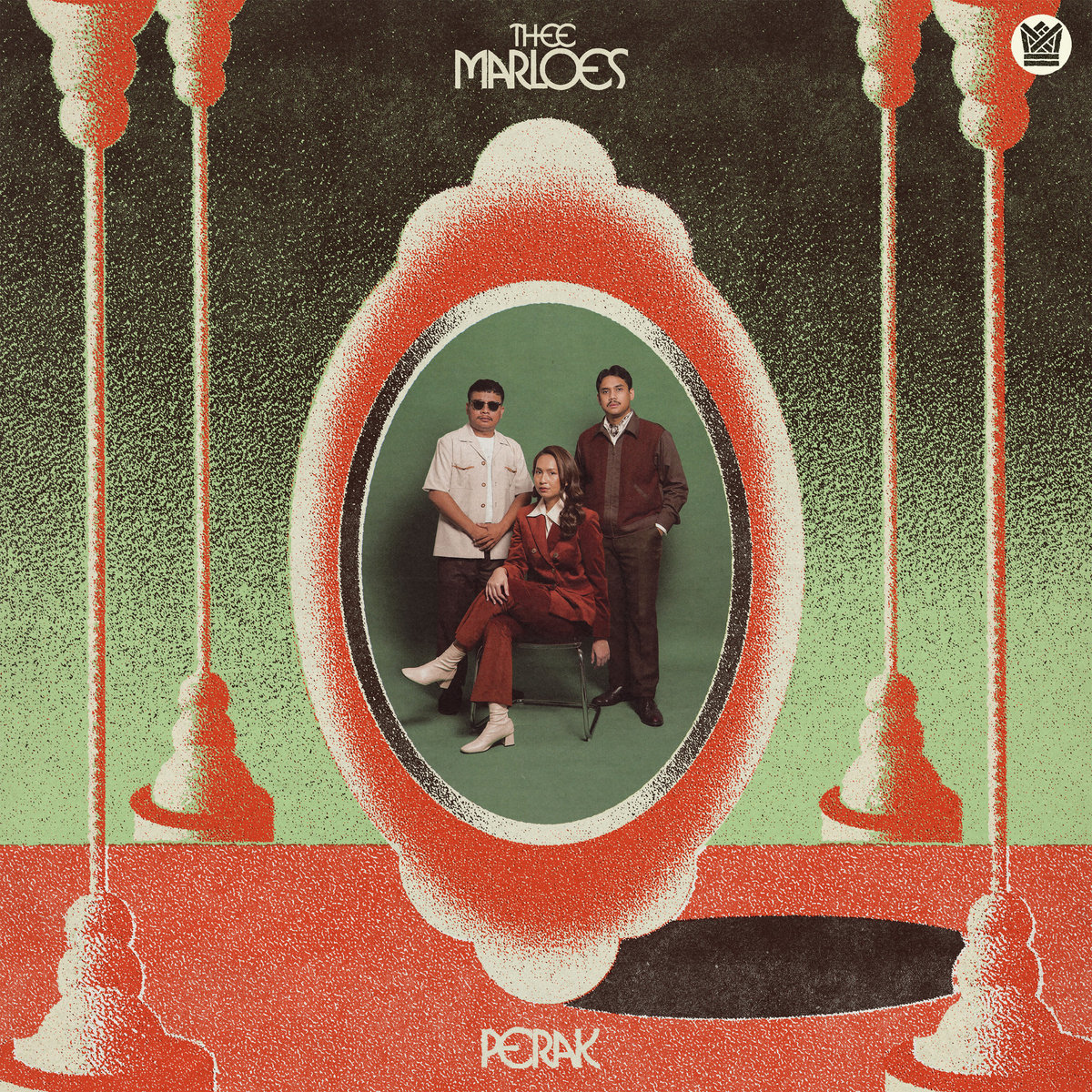
Year: 2025. Genre: soul. © Thee Marloes.
After Jembaa Groove’s Susuma, Thee Marloes’ Perak is another record that encapsulates the strangeness of side quests and where the heck they will lead a curious listener. Hailing from Indonesia, Thee Marloes are a soul-inspired outfit that adds a South East Asian twist to the ongoing revival of the genre without sounding imitative. Soothing and sensual, Perak is worth the time it takes to listen to it, and all of the effort expended for its analogue possession.
Thee Sacred Souls and Got A Story To Tell by Thee Sacred Souls
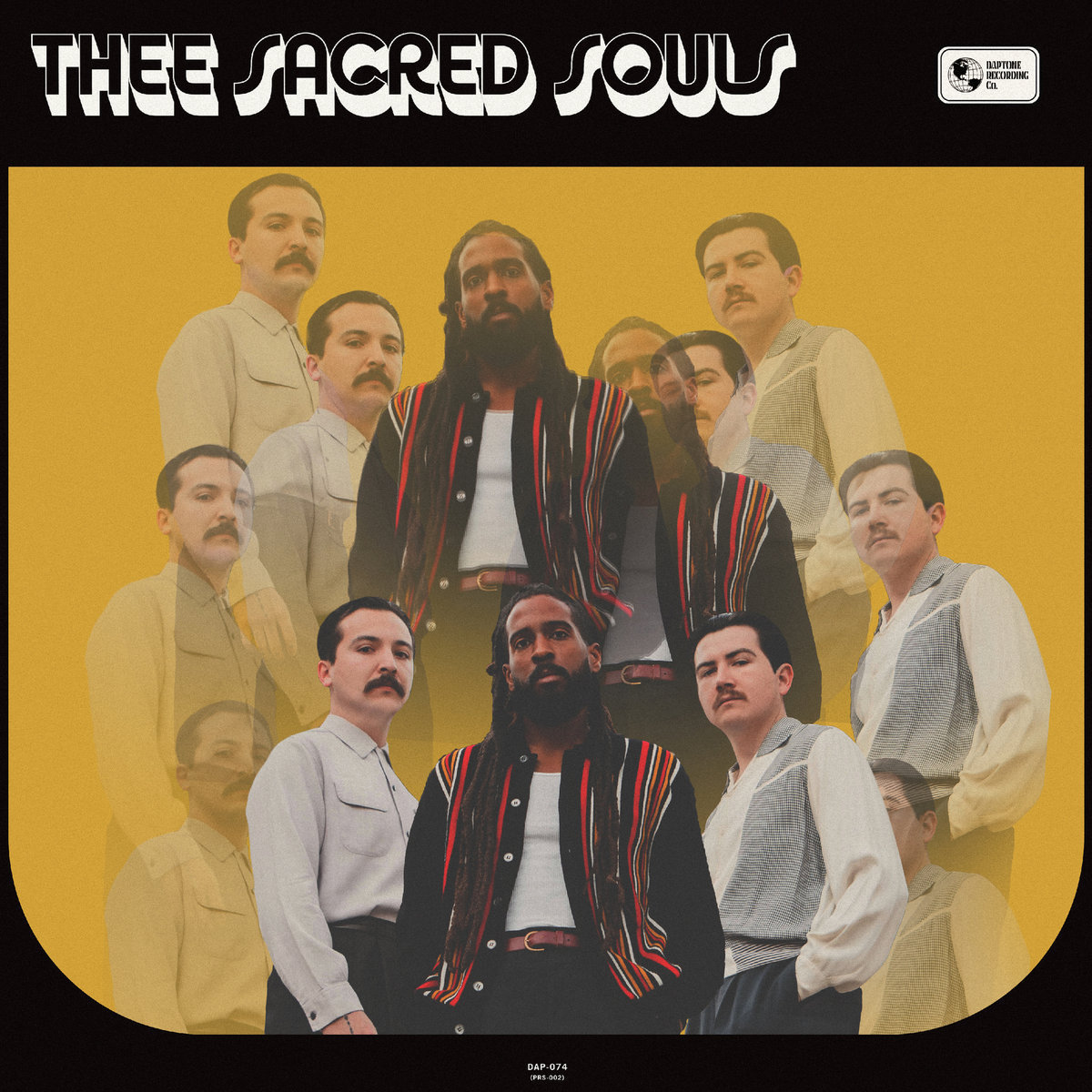
Year: 2022. Genre: soul. © Thee Sacred Souls.
Thee Sacred Souls’ debut album is a warm embrace; it is a lovingly rendered consideration of yearning and tempered desire that does not stray into the cheesy or the lurid. Despite its retro-soul categorisation, it possesses an immediacy that tastefully compliments the needs and longings of its times.
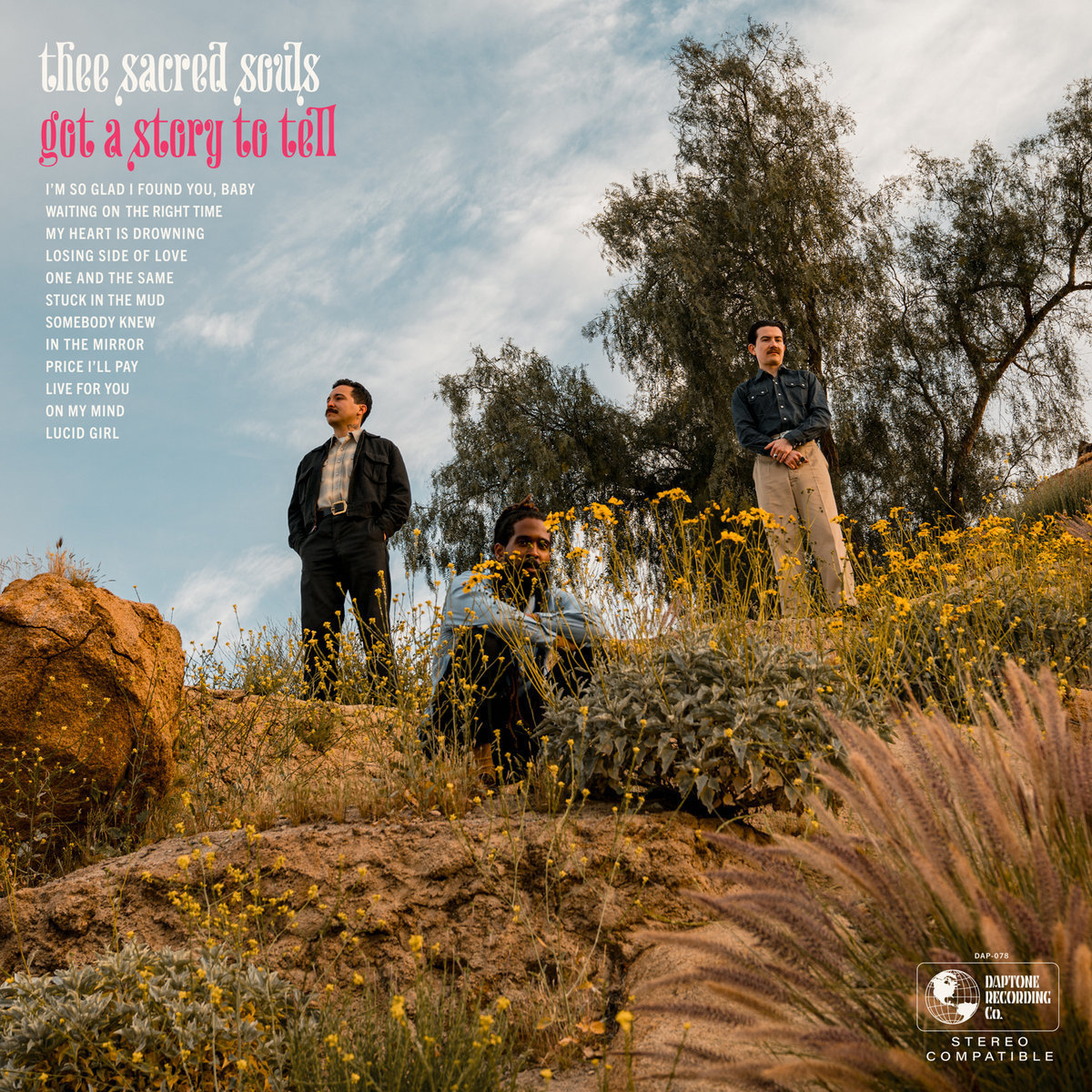
Year: 2024. Genre: soul. © Thee Sacred Souls.
The second album from Thee Sacred Souls’ strays close to the sacred Sade zone with its silky softness and intimacy. The San Diego-based trio has produced an album that is extroverted in the expression of its feelings and seductive in its execution. This gather-round-y’all music because Thee Sacred Souls Got A Story To Tell.
People Of The Fast Flowing River by Work Money Death
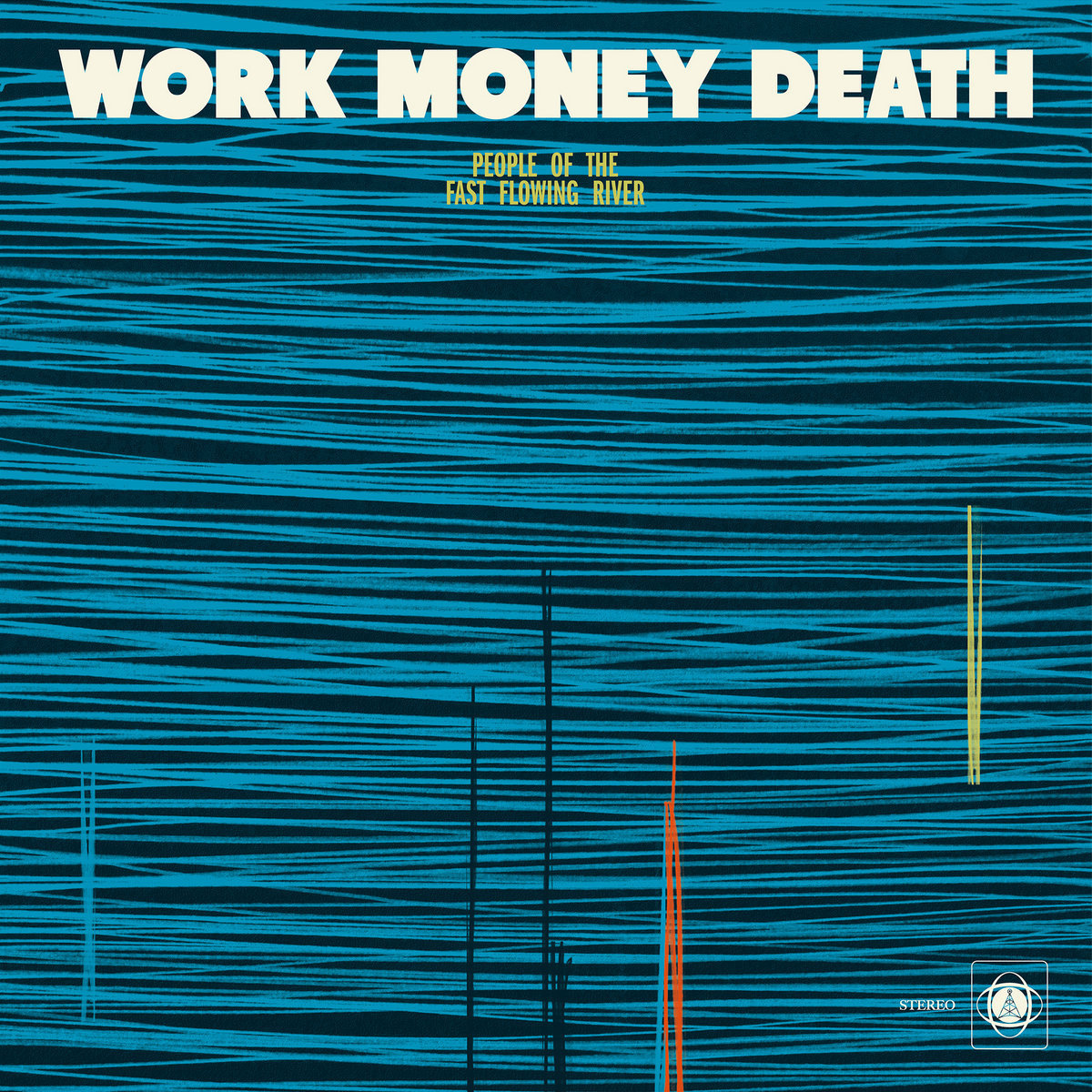
Year: 2024. Genre: jazz. © Work Money Death.
Thought, Action, Reaction, Interaction—Work Money Death’s first album—structurally paid tribute to John Coltrane’s A Love Supreme in the arrangement of its themes while its compositions were dedicated to the influence of Alice Coltrane and Pharoah Sanders and their use of ringing Eastern elements. More than being mere homage, though, that first outing carried new sounds with their own luminescence. While Money Death’s first album was a dip in the water for their early listeners, People Of The Fast Flowing River is a triple back flip with a 720 twist and a tuck into the deep end of spiritual jazz.
Zango by WITCH
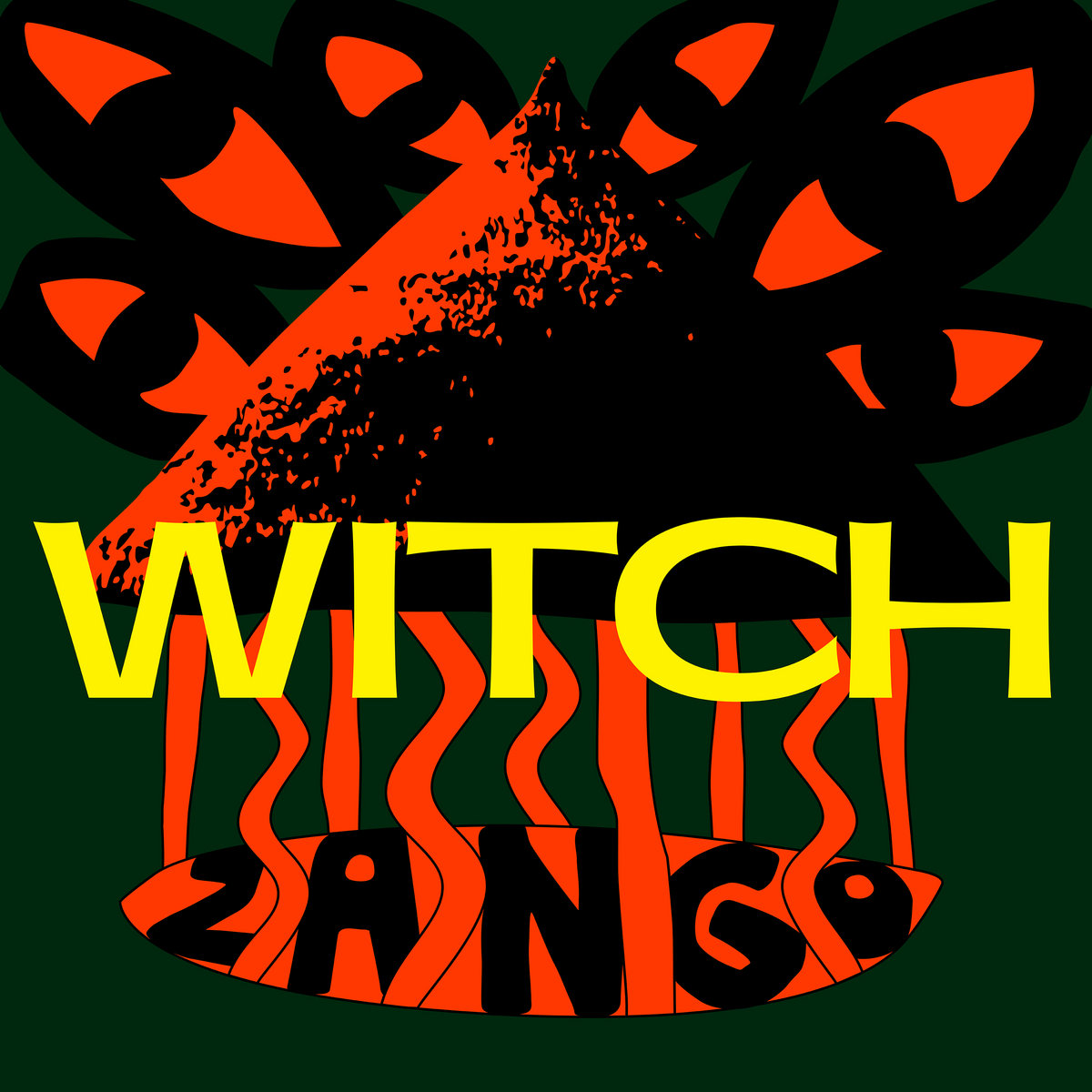
Year: 2024. Genre: rock. © WITCH.
Zambia’s WITCH (We Intend To Cause Havoc) is psychedelic rock that has grown up on sadza—it is heartier, more filling, and if there is delirium it comes not from the ingestion of psychotropics but the sweat-soaked sleep that comes from being buoyed down with food. WITCH heralded the great Zamrock era of the 60s and 70s, infusing rock with local traditions and, now—year’s later—they are producing some of the most inventive rock music in the world.
The Rabbit That Hunts Tigers by Yin Yin
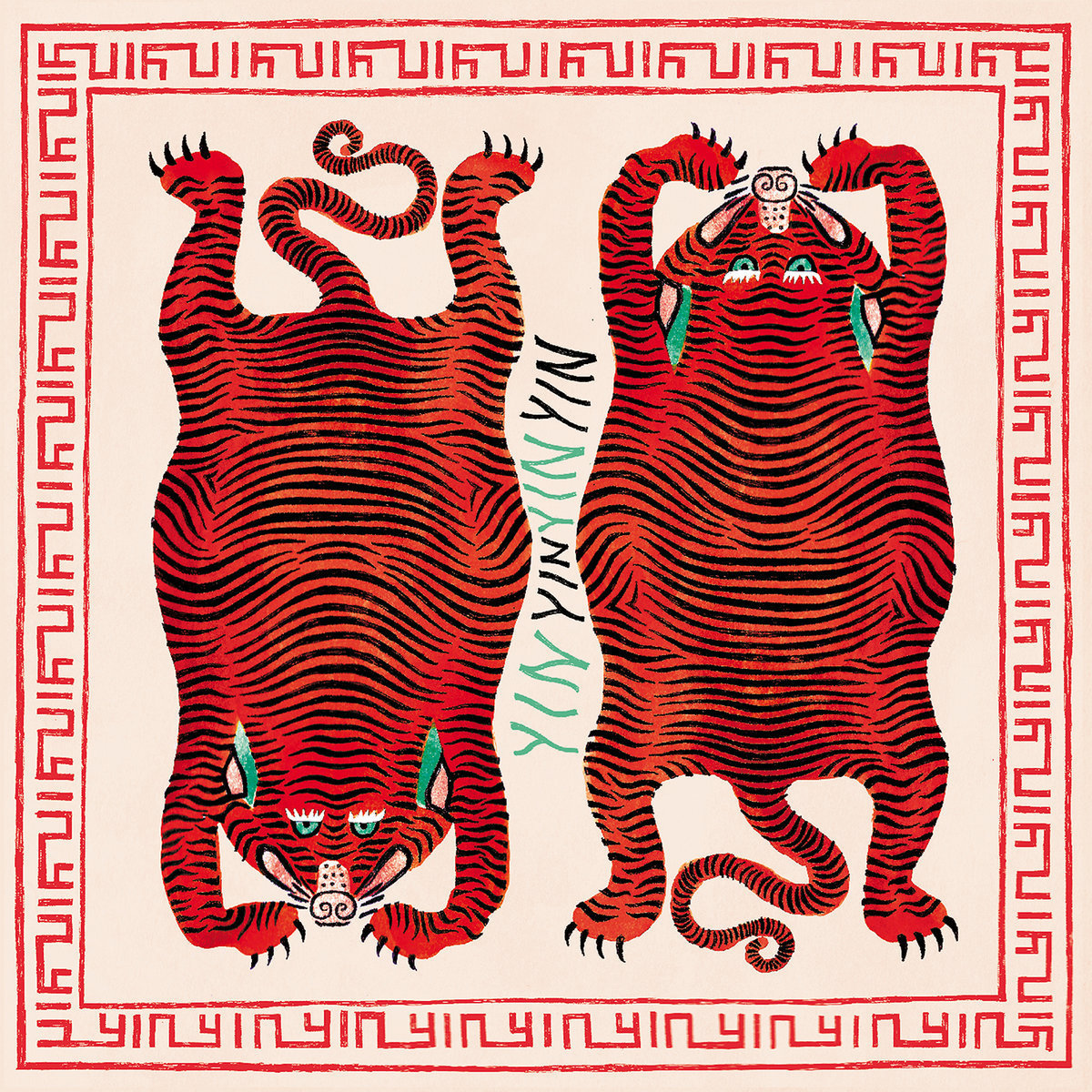
Year: 2019. Genre: disco and funk. © Yin Yin.
Yin Yin’s debut swims in a strange and contested sea of sound: it is Thai funk, Indonesian disco, and Malay rock interpreted by a Dutch band. At the same time it is none of them. What the album is, though, is groove-heavy, with a title that should be the mic drop, Captain America “Avengers, assemble!” rallying call for facing the adversities of the coming year: “I am the rabbit that hunts tigers.”
Genres are provided as approximations and guides, not as definitive groupings. Please support artists by purchasing their music from reputable outlets.